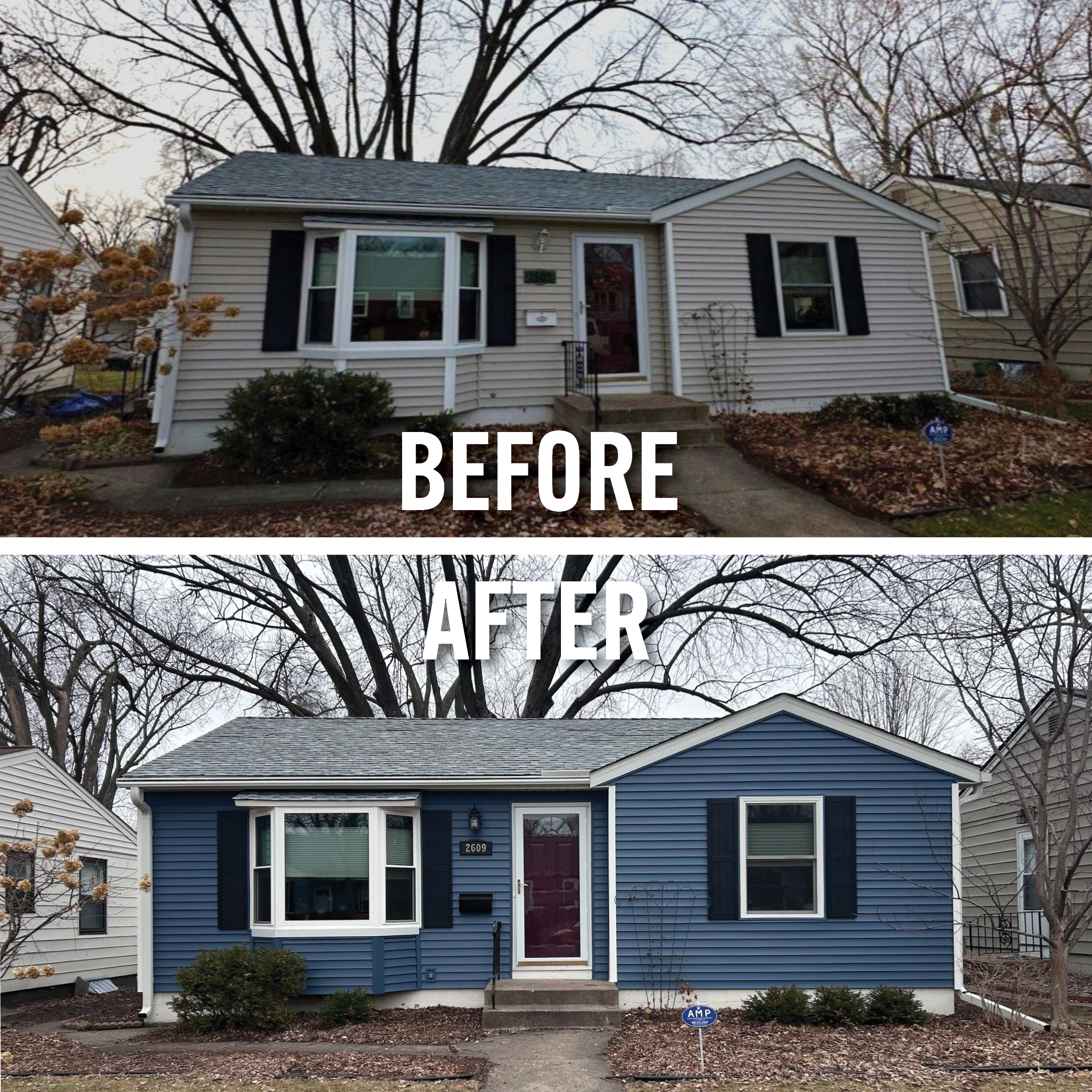
How Newer Single-Family Homes Handle Storm Damage

Quick Summary: Most homes in the Southwest Corridor went up around 2004. They have newer roofs and better sealed windows than older parts of Elk River, but they aren’t storm-proof. Hail and wind still find weak spots. Especially around newer construction details like vinyl siding and vaulted roof lines.

Drive through this part of Otsego. You’ll notice something right away. The houses look young, most built around 2004. That means these roofs have seen maybe twenty storm seasons, not fifty. This newer construction helps with some things, as building codes tightened up a lot since the older Elk River neighborhoods went up, and even areas like Maple Grove saw similar building trends around that time.

But newer doesn’t mean immune. We still get calls from this area after every big hailstorm. And a lot of these homes share the same builder-grade materials, so when one roof takes damage, three more on the same block usually did too.

Almost seven out of ten homes here are single-family detached houses, not townhomes or duplexes. That matters for storm response. A detached home with its own roof, gutters, and siding takes the full hit from wind and hail. Nothing next door to shield it.

  • Vinyl and fiber-cement siding are common on 2000s-era builds. They can crack under hail impact.
  • Attached garages take on water damage when wind-driven rain gets under the door seal.
  • Larger footprint homes have more roof surface exposed to hail and wind.
  • Finished basements below newer construction flood fast during heavy storm runoff.
  • Landscaped lots often have young trees, still prone to snapping in high wind.

Most owners here bought these homes outright as their primary residence. Over 86% of the tract is owner-occupied. That’s a lot of people who take storm damage personally, not as a landlord issue to pass along. We see that in how carefully folks track every leak and every shingle that came loose.

Here’s a scenario we run into a lot. A family in one of these newer builds gets a bad windstorm. Water finds its way through a roof vent seal into the attic insulation. It’s a slow leak, not a flood. It sits for a week before anyone notices the ceiling stain in the upstairs hallway.

That’s structural drying and ceiling and drywall repair territory. It moves fast if you catch it early.

We work these streets often enough to know which builders used which materials. That local knowledge speeds up the assessment when you call us after a storm rolls through the Southwest Corridor.

Call now

How Our Team Reaches the Southwest Corridor Area

When a storm rolls through the Southwest Corridor of Otsego, distance is rarely the obstacle it might seem. Our shop sits at 12767 Meadowvale Rd NW in Elk River. The drive southeast into this pocket of Otsego takes our crews about seven minutes, covering roughly 3.3 miles. From Meadowvale Rd NW, trucks head toward the main arterial routes that connect Elk River to Otsego. We cross into the city and follow the corridor’s primary access roads directly into the newer residential developments that make up this cluster. Because the route runs mostly along well-maintained county roads with minimal traffic congestion outside of peak commute hours, we can dispatch a crew and equipment trailer to a damaged roof, siding job, or water-intrusion call without the delays that longer cross-metro trips often involve. We still get out toward Maple Grove when a job calls for it, of course.

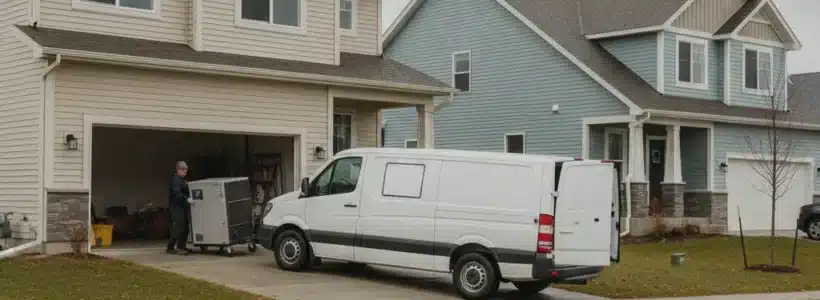
The Southwest Corridor is one of Otsego’s newer subdivisions. Its layout works in our favor when speed matters most. Streets here tend to be wider than those in older parts of town. And nearly every home has an attached garage with a paved driveway long enough to accommodate a work truck, a dumpster trailer, or a tarping crew’s equipment without blocking the roadway. That extra room means our teams can pull directly onto a property, unload ladders and safety gear, and start roof damage or emergency tarping within minutes of arrival. No searching for street parking or tight cul-de-sacs.

  • Wider residential streets allow easy access for trailers, dump trucks, and material delivery vehicles.
  • Attached garages and long driveways give crews staging space right at the property line.
  • Newer construction in this area often means consistent roofline access points our crews already recognize.
  • Routine service calls in the corridor have familiarized our teams with cross streets and neighborhood entry points.

That familiarity matters more than it might seem during a widespread storm event. Multiple homes in the same subdivision may need attention within the same 24 to 48 hour window. Our crews have handled inspections, repairs, and insurance-related assessments throughout this part of Otsego before. They already know which streets loop back to main roads, where cul-de-sacs limit turnaround space for larger trucks, and how to sequence multiple stops efficiently. This saves drive time between properties. That local knowledge translates into faster boots-on-the-ground response when hail or high winds hit the Southwest Corridor. This is often the difference between a quick tarp-and-secure job and a roof left exposed overnight.

Call now

Storm Recovery for Otsego’s Southwest Corridor Homes

The southwest corridor of Otsego stands apart from much of the surrounding area, including nearby Maple Grove. Most of its homes went up during the same construction wave around 2004. That single fact changes how storm damage plays out here. Roof shingles, siding panels, fascia boards, and window seals across dozens of properties are all sitting at roughly the same point in their lifespan. A hailstorm or straight-line wind event that might cause scattered, minor damage elsewhere can expose widespread wear all at once in this corridor. Materials that are two decades old are simply more brittle, more likely to crack, tear, or lift under stress.

Ownership patterns add another layer. This part of Otsego has a high rate of owner-occupied homes rather than rentals. The person living in the house is almost always the one fielding insurance calls, meeting with adjusters, and signing off on repair scopes. There is no property management company acting as a buffer or a landlord making decisions from a distance. That direct homeowner involvement tends to speed up the early stages of a claim, since inspections and repair approvals do not have to route through a third party. Homeowners benefit from having a restoration contractor who can walk them through the insurance process in plain terms.

Household incomes in this pocket of Otsego also run above the broader metro average. In practical terms, this often shows up in the material choices homeowners make once a storm claim is underway. Rather than defaulting to builder-grade three-tab shingles or the cheapest vinyl siding option, many residents here opt to upgrade to architectural shingles, impact-resistant roofing rated for hail, or higher-end fiber cement siding when a full replacement is already on the table. A contractor working this corridor should be ready to price out both standard insurance-matched repairs and upgraded material options side by side.

Perhaps the most distinctive pattern in this neighborhood is what happens after a single severe storm passes through. So many roofs and exterior surfaces were installed in the same year. One hailstorm or wind event frequently generates a cluster of nearly identical repair needs on the same block within the same week. It is common for several houses on one street to need roof replacement or siding repair simultaneously. This can strain scheduling with contractors who are not prepared for that kind of concentrated demand.

  • Roofs and siding installed around 2004 are more likely to show simultaneous wear-related failures during a single storm event.
  • Direct homeowner decision-making speeds up inspections, estimates, and repair approvals compared to rental-heavy areas.
  • Above-average household incomes often lead to upgraded roofing and siding materials rather than minimum insurance-matched replacements.
  • Clustered repair demand after a single storm can mean longer contractor wait times if scheduling is not planned ahead.

Otsego is spread out, and a storm rarely hits all of it the same way. We cover the whole city, including the areas around Otsego Prairie Center, the Otsego dog park, and Prairie Park and the splash pad.

Call now

Frequently Asked Questions

Common questions about storm damage restoration in Otsego MN in Maple Grove

How fast can you get to my home near the Southwest Corridor after a storm?

We can reach the Southwest Corridor in about seven minutes from our shop, roughly 3.3 miles away. The route runs along well-maintained county roads with light traffic, so our crews get equipment on-site quickly without the delays of a longer cross-metro trip. That speed matters when multiple homes in your subdivision need attention at once.

Are storm damage issues different for newer homes built around 2004 in this part of Otsego?

Yes, homes here share the same construction wave, so damage tends to show up in similar spots across the block. Roofs, siding, and window seals are all around twenty storm seasons old, and vinyl or fiber-cement siding can crack under hail. When one roof takes a hit, nearby homes built by the same crews usually did too.

Will your crew have room to work at my Southwest Corridor property?

Almost always, yes. About 69% of homes here are single-family detached with attached garages and long driveways, giving our crews staging space right at the property line. Wider residential streets also mean no tight cul-de-sacs or street parking headaches, so we can unload ladders and tarping gear within minutes of arriving.

Ready to Get Started?

(763) 633-2010

24/7 Emergency Response. Call today.

What Can We Help You with Today?

Click below to see how we can help you with fire damage, water damage, or storm damage.