

What to Do After a Fire: 8 Steps for the First Days
The fire is out. The trucks are leaving. You’re standing outside your house, and nobody has told you what happens next.
Here’s what to do after a fire, in the order it usually happens. Kiser Construction has been restoring fire-damaged homes in Minnesota since 2003, and these are the steps we walk homeowners through on the first night.
1. Don’t go back in until the fire department says it’s safe
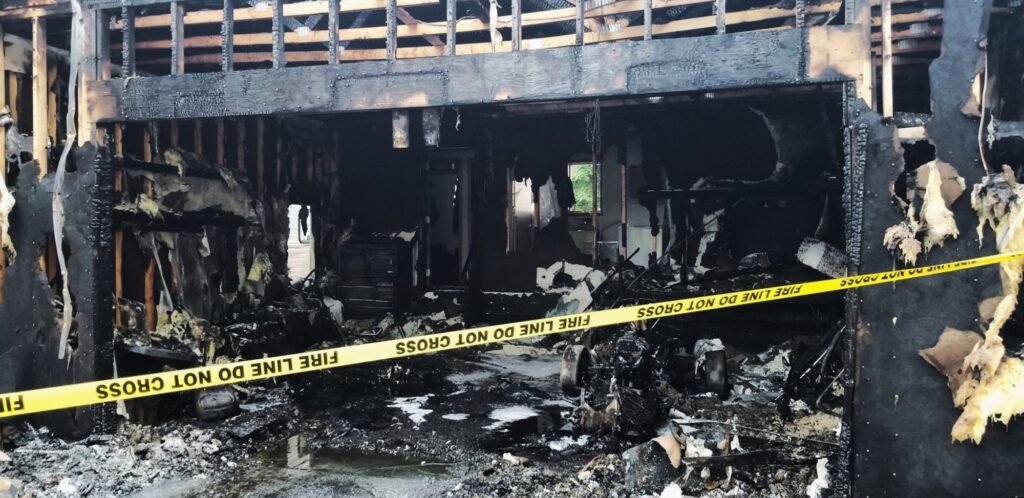
A house can look safe and not be. Floors and ceilings may be weakened, and hidden fire can flare up again. The Red Cross notes that soot and dirty water left behind can make you sick, and that power will likely be out, so the house is both dangerous and dark. Minnesota fire departments give the same advice. The Bloomington Fire Department’s after-fire guide says not to re-enter the home until fire officials allow it.
Once you’re cleared, go in only for what you truly need: medications, IDs, glasses, phone chargers and irreplaceable items that are safe to handle.
Don’t use medications that were exposed to heat or smoke. Pharmacies can do emergency refills. And don’t eat or drink anything that was exposed to smoke, heat or firefighting water. The Bloomington Fire Department’s after-fire guide makes both points.
Use a flashlight, wear sturdy shoes and watch for broken glass, nails and soft spots in the floor. Keep kids and pets out until the house has been cleaned up.
2. Get the fire report number
Ask the fire department for the incident report number and how to get a copy. In Minnesota, fire departments investigate the origin and cause of fires under state law (Minn. Stat. 299F.04), and the report usually comes through the city’s data request process. Your insurance company will ask for it.
3. Call your insurance company
Report the loss and write down your claim number and your adjuster’s name. Ask your agent what your policy provides for temporary housing while the home is repaired. Keep every receipt for hotels, meals and supplies.
4. Secure the house
Firefighters often break windows, cut holes in the roof and force doors to fight the fire. That leaves the house open to weather, animals and people. Get it boarded up and tarped right away. Here’s how our emergency board-up and tarping works.
5. Leave the gas, power and water to the utilities
The fire department may shut off utilities. Don’t turn them back on yourself. The utility company does that once the house is safe.
6. Photograph everything before it’s cleaned up
Walk every room and take photos and video, including rooms the fire never reached. Smoke travels, and those rooms are part of the loss. Start a list of damaged belongings while it’s fresh.
A simple list works: room, item, rough age and what happened to it. Keep damaged items until your adjuster has seen them, and don’t throw away anything you plan to claim without asking first. The U.S. Fire Administration’s free booklet, After the Fire: Returning to Normal, covers valuing property and replacing documents in more detail.
7. Get the water out and start drying
Firefighting puts a lot of water into a house. Left alone, it soaks floors, ceilings and the rooms below and can lead to mold. Extraction and drying should start in the first day or two. Our water damage restoration crew handles that as part of the fire job.
8. Clean the smoke and soot, then rebuild
Smoke and soot cleanup comes before any rebuild. Different fires leave different residue, and the cleaning has to match it. Our smoke damage cleanup page explains how.
Smoke-damaged belongings often need specialized cleaning. Our fire damage contents cleaning page explains how that’s handled.
Then the rebuild: framing, drywall, insulation, cabinets, flooring and paint. As a licensed Minnesota contractor (BC416441), Kiser handles the cleanup and the rebuild, so you don’t have to hire a second company halfway through.
What happens after a fire, week by week
The first night
The house is secured, utilities are off and you have a place to stay. Your claim is open.
The first week
Water comes out and drying starts. The damage is inspected, photographed and written up in a scope. Your adjuster visits.
The weeks after
Smoke and soot cleanup, odor removal and then the rebuild. With us, you can follow that schedule in our customer portal.
Taking care of yourself and your family
A house fire is hard on everyone, even when no one is hurt. Kids may be scared to go back. Adults may not sleep well for a while. That’s normal. The Red Cross and local relief groups help with emergency needs like housing, clothing and medication, and the fire department can often connect you with them on the first night.
Working with your adjuster
We photograph the damage, write an itemized scope and meet your adjuster on site. We don’t interpret your policy or adjust your claim. Our insurance claim assistance page explains what Minnesota law allows.
Common questions
Only if the fire department says it’s safe. Even a small fire can leave smoke, soot and damaged wiring. Ask the fire officials before anyone sleeps there.
After 911 and the fire department, call your insurance company to open a claim. Then call a restoration contractor to secure the house.
Yes. Our emergency line at (612) 518-8852 is answered 24 hours a day, 7 days a week, including holidays.
Smoke moves through doorways and ductwork into rooms the fire never reached. Odor removal is its own step after cleaning.
Both. Kiser is a licensed contractor, so we handle cleanup and rebuild.
Call us
Knowing what to do after a fire makes the first night easier. If your house needs to be secured now, call (612) 518-8852. A real person answers 24/7, including holidays. For a free inspection, call our Elk River office at (763) 633-2010.