
Water Damage in Older Minneapolis Homes: Plaster, Lath, and Old Floors
Drywall is simple. Cut out the wet piece, dry the wall cavity, and hang a new sheet. A lot of Minneapolis homes don’t have drywall. They have plaster, often over thin strips of wood called lath. That changes how water damage in older Minneapolis homes gets handled.
It is a common situation here. Census estimates show more than 4 in 10 Minneapolis housing units were built before 1940. The National Park Service notes that plaster was the wall finish in nearly all buildings until the 1930s or 40s.
How a plaster wall is put together
Old plaster went on in layers. The best work used three coats: a scratch coat, then a brown coat, then a thin finish coat.
On wood lath, the plasterer pushed wet plaster through the gaps between the strips. The plaster curled over the back of the lath and hardened. Those curls are called keys, and they are what hold the wall on.
Not every old house is the same. Around 1900, gypsum plaster came into use. By the late 1930s, most houses used rock lath, a gypsum board made for plaster. Knowing which one you have helps decide what can be saved.
What water does to plaster and lath
According to the Park Service, gypsum plaster is more easily damaged by water than older lime plaster. Water causes problems in a few ways:
- Ceilings can lose their keys. When the keys break, plaster sags or comes loose. Left alone, pieces can fall.
- Wood lath swells and shrinks as moisture changes. That movement can crack plaster.
- Wallpaper and paint get damaged along with the plaster under them.
If a wet plaster ceiling is sagging, stay out from under it and keep others out of the room. Call before you try to push it back up.
The Park Service also lists interior plumbing leaks as common in older houses. A leaking pipe in an upstairs bathroom can ruin the plaster in the room below.
It may not be as bad as it looks
Here is some good news. The Park Service’s guide on repairing historic plaster says plaster is often not as badly damaged as it first appears. It also recommends keeping old plaster when it can be repaired.
Loose ceiling plaster over a sound area can sometimes be fastened back to the lath. Small holes can be patched. Plaster that stayed wet for a long time is a different story and usually has to come out.
The order matters. The Park Service warns that repairs made over a wet base will fail again. The wall has to be dry first.
Drying water damage in older Minneapolis homes
Plaster on wood lath is thick. The Park Service lists about 3/4 to 7/8 of an inch for that kind of wall. A sheet of drywall is thinner, so drying times from a drywall job don’t carry over.
That is why we don’t guess. We take moisture readings at the start and log them every day the equipment runs. The plaster, the lath, and the framing behind them each get read. Equipment comes out when the readings meet the dry standard for your building, and you get the logs.
Not sure how far the water went? A free water damage inspection uses meters to check behind the surface.
Save it, patch it, or replace it
When plaster has to go, there are choices for what goes back. The Park Service describes options that include patching with metal lath, re-plastering, and veneer plaster. Veneer plaster uses a gypsum panel with a thin coat of plaster over it. It looks closer to old plaster than drywall does.
Matching old plaster is skilled work. We will tell you which sections can stay, which have to go, and what your options are before anything is torn out. If your ceilings are drywall instead, our ceiling and drywall water damage repair page covers that work.
Old wood floors and wet basements
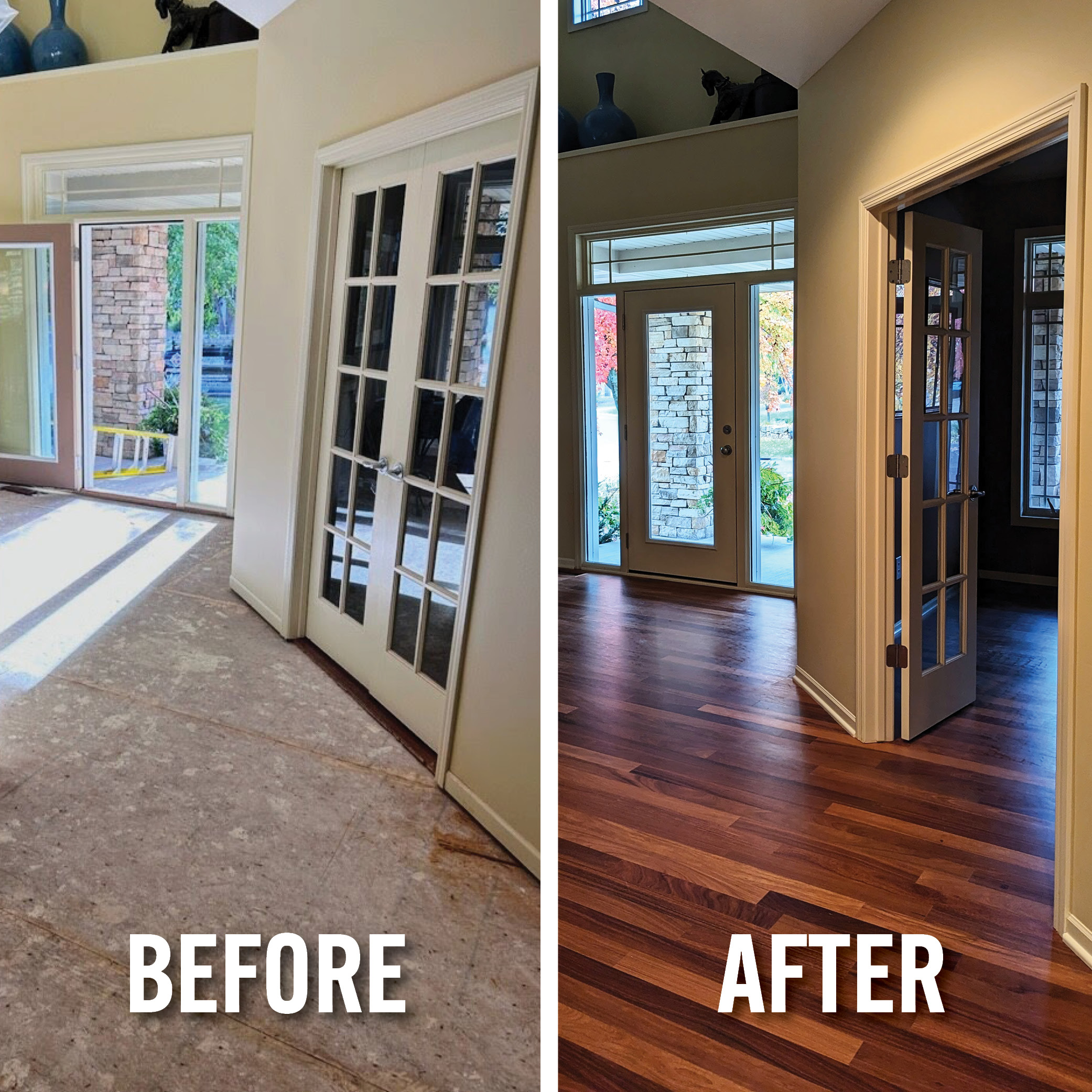
Old hardwood holds water and can cup as it dries. Some floors come back with controlled drying. Our water damage restoration page covers how we decide.
Water that sits in an old basement or behind plaster can also lead to mold. We handle mold remediation in house, so the same team that dries your home deals with it.
Historic districts: exterior work needs a sign-off
Water damage in older Minneapolis homes sometimes reaches the outside of the house. Some of these homes are city landmarks or sit in a local historic district. In those cases, the City requires preservation approval before exterior work begins.
Minor changes go through a Certificate of No Change, reviewed by city preservation staff. Major changes need a Certificate of Appropriateness and a public hearing before the Heritage Preservation Commission.
If water damage reaches your siding, windows, or roof, check your property’s status before replacing anything outside. It is easier to ask first than to redo work later.
Common questions
Can water damaged plaster be saved?
Often, at least in part. The National Park Service says plaster is often less damaged than it looks. Plaster that stayed wet for a long time usually needs to come out.
Will my plaster walls be replaced with drywall?
Not automatically. Before anything is torn out, we show you which sections can stay. The Park Service lists patching, re-plastering, and veneer plaster as options besides drywall, and we talk through them with you.
How do you know a plaster wall is dry?
We read it with moisture meters and log the readings every day. Equipment comes out when the readings meet the dry standard, not on a set schedule.
Do you handle water damage in older Minneapolis homes?
Yes. Kiser Construction is based in Elk River and serves Hennepin County and the wider Twin Cities metro.
Can you come out at night for a ceiling leak?
Yes. Our emergency line, (612) 518-8852, is answered 24/7 by a real person, including holidays.
Call us
Kiser Construction has worked on Twin Cities homes since 2003. We are IICRC certified and licensed in Minnesota under BC416441. Inspections are free, and you get a written scope whether or not you hire us.
Emergency, any hour: (612) 518-8852. Office: (763) 633-2010.