
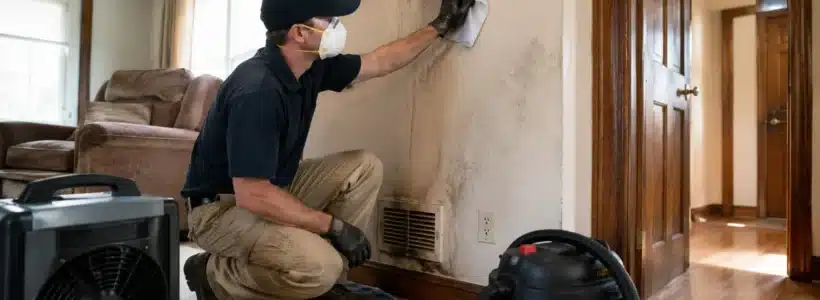
Smoke Odor Removal in Elk River: From First Sniff to Final Walkthrough
Trusted restoration & rebuild experts serving the Twin Cities since 2003
✓ In business since 2003 (23rd year in 2026)
⚡Fully bonded and licensed
📍IICRC Certified Firm (Institute of Inspection Cleaning and Restoration Certification)
What’s Covered on This Page
- Signs Smoke Odor Has Soaked Into Your Home’s Materials
- When a Little Smoke Smell Doesn’t Need a Professional
- Why Elk River’s Long Heating Season Drives Smoke Odor Calls
- Inside a Professional Smoke Odor Removal Process
- Duct Systems: The Hidden Reason Odor Keeps Coming Back
- How fast can you get to my house for smoke odor removal in Elk River?
- What happens when your team arrives to treat smoke odor?
- Why does smoke odor seem to get worse during Elk River winters?
- Can I remove smoke odor myself, or does it need a professional?
- How do I know if smoke odor has soaked into my walls?
- How long does professional smoke odor removal usually take?
Need Smoke Odor Removal?
24/7 Emergency Response. Call Kiser Construction now.
Signs Smoke Odor Has Soaked Into Your Home’s Materials
Quick Summary:
Smoke doesn’t just sit on top of your walls and furniture. It works its way in.
Here’s the thing about smoke: it doesn’t just sit on the surface of your walls and furniture. It burrows in. Smoke particles are tiny, and the heat from a fire pushes them deep into drywall, insulation, and wood framing. That’s why a room can look spotless and still smell like it caught fire last week.
A lot of homes in Elk River were built decades ago with plaster walls or older insulation types. Those materials are porous, so they soak up smoke odor like a sponge. A quick wipe-down or a can of air freshener won’t touch that.
- Odor gets stronger when the heat kicks on or the humidity rises
- Smell returns within a day or two after cleaning
- Closets, carpets, and upholstery hold the odor longer than open rooms
- You notice it the moment you walk in, but guests barely notice at all
- Air fresheners mask it for an hour, then it’s right back
That last one matters more than people think. If you’re the only one who still smells it, that doesn’t mean you’re imagining things. Your nose has simply adjusted to the everyday smells of your own house, but a lingering fire odor is different. It’s chemical, it’s deep, and it means particles are still trapped somewhere out of sight.
So what does that tell you? It means the odor source is still active. Cleaning up the visible soot was only step one. Getting rid of the smell for good means treating what’s underneath, not just what shows on the surface.
When a Little Smoke Smell Doesn’t Need a Professional
Burned a batch of toast? Let a candle smoke up the kitchen for a minute? You probably don’t need us for that.
Smoke odor removal is a different job than just airing out a room. If the smoke was quick, small, and never got past the surface, a little elbow grease usually takes care of it. Open the windows, wipe down the counters, wash the dish towels, run the fan for a day. Most of the time, that smell is gone by dinner.
- A grease fire in a pan that you put out fast, with no scorching on the cabinets
- Candle or incense smoke that lingers for a day or two
- A brief smoke alarm scare with no visible soot on walls or ceiling
- Smoke smell that fades noticeably after you air the room out overnight
Here’s the test we tell people to use. Smell it again after two full days of fresh air and cleaning. Still there? That’s your answer.
Real smoke damage soaks in. Drywall, carpet padding, insulation, even the studs behind your walls can hold onto smoke particles long after the fire’s out. If a kitchen fire scorched the cabinets, or a garage fire burned for more than a few minutes, that smoke has traveled somewhere a sponge can’t follow. The same goes for anything that burned plastic, foam, or other synthetic material – that smell clings in a way burnt toast never will.
So don’t call a restoration company over a candle. But if the smell keeps coming back, or you can see soot dusting a wall, that’s not a cleaning problem anymore.
Why Elk River’s Long Heating Season Drives Smoke Odor Calls
Most Elk River homeowners aren’t dealing with smoke odor because of some dramatic house fire. More often, the smell just creeps in over the course of a Minnesota winter that can run from late October clear through April. During those months, furnaces work nearly nonstop, wood stoves and fireplaces see daily use, and space heaters pick up the slack in older homes that need it. Every one of these heat sources gives off combustion byproducts, and when ventilation is weak or equipment is getting old, those byproducts work their way into drywall, insulation, carpet fibers, and ductwork well before anyone notices something’s wrong.
National Fire Protection Association data has long shown heating equipment as one of the top causes of home fires in the U.S., with a heavy concentration in the coldest months. Sherburne County is no exception. A cracked furnace heat exchanger, a wood stove pipe caked with creosote, or a space heater set too close to fabric can each spark anything from a small smoldering issue to a full structure fire. Even a close call, where the flames get put out fast, can leave a smoke smell behind that lingers for weeks if it isn’t treated the right way.
- Wood-burning stoves and fireplaces used daily through winter, building up creosote and particulates
- Older furnaces and heat exchangers running longer hours during extended cold snaps
- Space heaters running in garages, basements, and additions that central heat doesn’t reach
- Sealed-up homes with less fresh air exchange, letting smoke particles concentrate indoors
- Chimney and flue problems that go unnoticed until an odor or staining shows up
This seasonal pattern means smoke odor calls in Elk River tend to spike right along with the coldest stretches of the year, usually right when homeowners are least ready to take on a restoration project. Pipes might be frozen, driveways icy, and schedules already packed around the holidays. That’s exactly why it helps to have one accountable, IICRC-certified team you can call. Instead of juggling multiple contractors or waiting around on a general handyman during peak heating season, Elk River homeowners are better served by a single certified crew that knows both the technical side of odor removal and the seasonal pressures that come with a Minnesota winter.
Need help with Smoke Odor Removal?
24/7 Emergency Response. Kiser Construction is ready to help.
Inside a Professional Smoke Odor Removal Process
Getting rid of smoke odor for good isn’t a matter of spraying something and walking away. Certified technicians in Elk River work from the IICRC S700 Standard for Fire and Smoke Restoration, a documented protocol built on a simple premise: odor is a chemical byproduct that has to be physically removed, not covered up. Skip a step in that sequence and you’ll see why store-bought deodorizers and rented ozone machines so often fail on real fire or heavy smoke jobs.
- An initial assessment to identify the smoke type (protein, synthetic, or wet smoke) and how deep it has penetrated
- Sorting porous from non-porous materials, since drywall, carpet, and upholstery hold onto odor very differently than tile or metal
- Removing visible soot and residue from surfaces before any deodorizing even begins
- Mechanical cleaning of walls, ceilings, contents, and hard surfaces with HEPA vacuums and specialized wipes
- An odor-neutralizing treatment, whether thermal fogging, ozone generation, or hydroxyl technology, chosen based on how sensitive the materials are
- Sealing porous surfaces like framing or subfloor to trap any odor molecules that remain
- An HVAC and ductwork evaluation, since forced-air systems in Elk River homes can keep recirculating soot particles for months if the ducts go uncleaned
- A final check through smell testing and, when warranted, air quality monitoring before the job is signed off
That odor-neutralizing step often means leaving the house for a bit. Ozone treatment works exceptionally well on stubborn smoke odor, but it produces gas levels that aren’t safe for people, pets, or plants while it’s running. Crews typically ask Elk River families to stay elsewhere for 24 to 48 hours during treatment and while the space airs out afterward. When displacement isn’t practical, say there’s an elderly resident or medical equipment involved, hydroxyl generators offer a slower but occupant-safe alternative.
HVAC evaluation matters more here than in a lot of other places. Plenty of Elk River homes run forced-air furnaces that pull smoke-laden air straight through the return ducts during a fire. Skip the duct inspection, and odor can come right back every time the system kicks on, even after the walls and carpets have already been treated.
One real benefit of hiring a single certified restoration company for the whole job is continuity. The same crew that documents the damage, strips out the soot, and neutralizes the odor can move straight into rebuilding, whether that’s drywall, flooring, or trim, without passing your file off to another contractor. That continuity closes scheduling gaps, cuts down on finger-pointing over odor that wasn’t fully treated, and usually gets you from that first phone call to the final walkthrough faster.
Duct Systems: The Hidden Reason Odor Keeps Coming Back
If you already had smoke damage cleaned up in your Elk River home and the smell drifted back within a few weeks, the ductwork is almost always to blame. Every time a furnace or air conditioner cycles on, it pulls air through the return vents, across the coil, and back out through the supply registers into every room. During a house fire, or even a contained kitchen or garage fire, smoke particles get drawn directly into that airstream and settle inside the metal and flex duct runs, the plenum, and the coil fins. Cleaning the walls, carpet, and furniture does nothing to touch what is sitting inside the HVAC system, so the next time the furnace kicks on, it redistributes trapped soot and odor molecules right back through the house.
This is a detail that gets overlooked constantly, especially when a homeowner brings in a second contractor after the first attempt fails, or when a general contractor handling fire restoration subcontracts out only the cosmetic work. A proper ductwork inspection means pulling access panels, running a camera scope through supply and return runs, and testing the coil and blower housing for residue. It takes extra time and specialized equipment, which makes it one of the first things a low bid quietly leaves out.
The other mistake we see over and over in Elk River homes, particularly older properties near the downtown core and the Otsego border, is painting directly over smoke-stained drywall and ceiling tile without sealing the surface first with an odor-blocking primer. Smoke residue is acidic, and porous surfaces soak it in deep. A coat of ordinary paint hides the smell for a while, but heat and humidity shifts pull it back through within a month or two, especially in rooms near forced-air vents that keep feeding airborne particles onto the freshly painted surface.
- Duct camera inspection of every supply and return run connected to the affected rooms
- Coil and blower housing cleaning or replacement if soot has bonded to the metal
- Odor-blocking primer sealant on all affected drywall, framing, and ceiling surfaces before repainting
- Post-cleanup air quality retest using a thermal fogger or ozone chamber to confirm no residual odor in circulating air
If a previous contractor handed you a certificate of completion but never brought up the ductwork, that’s a strong sign the job wasn’t finished. We routinely get called back to Elk River homes for a second opinion and find soot-lined ducts that were never touched during the first cleanup.
Frequently Asked Questions
Common questions about Smoke Odor Removal
How fast can you get to my house for smoke odor removal in Elk River?
We aim to get to your Elk River home quickly, especially during the cold months when heating-related smoke calls spike. Winter is our busiest stretch because furnaces, wood stoves, and space heaters run nonstop from October through April. If you smell smoke that won’t go away after airing out the room for two days, call us right away. The sooner we treat it, the less time odor particles have to work deeper into your drywall and insulation.
What happens when your team arrives to treat smoke odor?
Our technicians start by finding where the smoke odor is trapped, not just where you can smell it. We follow the IICRC S700 Standard, which means checking drywall, insulation, carpet padding, and even wall studs for hidden particles. You’ll get a walkthrough of what we find and what needs treatment. This isn’t a spray-and-leave job. It’s a step-by-step process built to remove odor at its source, not mask it for a day or two.
Why does smoke odor seem to get worse during Elk River winters?
Long Minnesota winters push heating equipment harder, and that’s usually the real cause. Furnaces, wood stoves, and space heaters all release combustion byproducts that settle into your home when ventilation is weak. Sealed-up houses trap those particles even more during cold snaps. If you notice a stronger smoke smell once the furnace kicks on for the season, that’s a sign particles are already trapped in your ductwork or walls, not just floating in the air.
Can I remove smoke odor myself, or does it need a professional?
It depends on how deep the smoke got into your home. Small stuff, like burnt toast or a candle that smoked up the kitchen, usually airs out within a day using open windows and basic cleaning. But if the smell keeps returning after two full days of fresh air, that’s not a surface problem anymore. Real smoke damage soaks into drywall, insulation, and framing, and that requires equipment and training a sponge or air freshener can’t match.
How do I know if smoke odor has soaked into my walls?
The clearest sign is smell that returns within a day or two after you’ve cleaned. Odor that gets stronger when the heat turns on, or that lingers in closets and carpets longer than open rooms, means particles are trapped underneath the surface. Many older Elk River homes have plaster walls or older insulation that soak up smoke like a sponge. If guests barely notice the smell but you still do, that’s often a sign it’s gone deeper than a quick wipe-down can fix.
How long does professional smoke odor removal usually take?
Timelines depend on how far the smoke traveled and how many materials absorbed it, but most jobs move through a clear sequence rather than a single quick fix. Technicians work through the affected areas step by step, following the IICRC S700 protocol instead of skipping straight to a deodorizer. Homes with plaster walls or older insulation, common in parts of Elk River, sometimes take longer since those materials hold onto odor particles more stubbornly than newer construction.
Ready to Get Started?
24/7 Emergency Response. Call (763) 633-2010 today.
📅 24/7 Emergency Response