
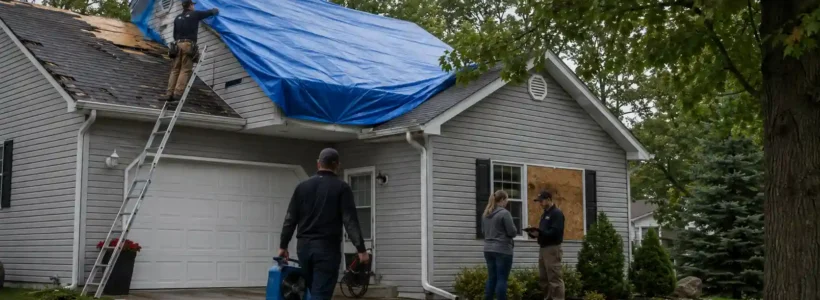
Disaster Restoration in Elk River: One Team From Emergency to Rebuild
Trusted restoration & rebuild experts serving the Twin Cities since 2003
✓ In business since 2003 (23rd year in 2026)
⚡Fully bonded and licensed
📍IICRC Certified Firm (Institute of Inspection Cleaning and Restoration Certification)
What’s Covered on This Page
- Warning Signs That Point to Water, Fire, or Storm Damage
- When You Can Handle Minor Damage Yourself
- Board-Up and Tarping Comes Before Restoration Work
- One Elk River Team Handles Mitigation Through Reconstruction
- Insurance Documentation That Speeds Up Your Claim
- How fast can you get to my home after a fire or storm?
- What happens when your crew first arrives at my house?
- Why do so many Elk River homes have hidden water damage?
- Can I clean up minor water damage myself, or do I need to call someone?
- Do you handle both the emergency cleanup and the rebuild afterward?
- What should I do before my insurance adjuster inspects the damage?
Need Disaster Restoration?
24/7 Emergency Response. Call Kiser Construction now.
Warning Signs That Point to Water, Fire, or Storm Damage
Quick Summary:
Water stains, warped floors, a smoky smell that won’t go away, or a soggy basement after a storm are signs you need disaster restoration, not a DIY fix. Many homes in Elk River were built decades ago, and older plumbing and roofing can hide damage until it’s already spread. Catching these signs early keeps a small problem from turning into a full rebuild.
Some damage screams at you. A burst pipe, a kitchen fire, a tree through the roof during a storm. But a lot of damage whispers first. We see this every week, someone calls us three days after they noticed a smell, and by then it’s already worked its way into the drywall.
So how do you know it’s time to call? Here’s what we tell people to watch for.
- Ceiling or drywall staining that keeps coming back after you paint over it
- A musty smell in the basement, especially after heavy rain
- Soot film on walls or vents after even a small kitchen or garage fire
- Water pooling near appliances, toilets, or under sinks
- Warped flooring, bubbling paint, or a sagging ceiling after storm damage
Elk River’s older housing stock means a lot of homes still run on plumbing and roofing systems that are decades past their prime. That’s not a scare tactic, it’s just the reality of aging pipe and shingle around here.
When You Can Handle Minor Damage Yourself
Not every wet spot needs a phone call to us. A small spill from an overflowing sink, cleaned up within an hour or two, usually dries fine on its own. Same with a bit of condensation on a basement window in July. Dab it up, run a fan, done.
Here’s a rough test we tell people to use: if the water touched only hard flooring, stayed under a few square feet, and got dried within 24 to 48 hours, you’re probably fine. Drywall is different. Once water soaks into drywall or insulation, it holds moisture behind the surface where you can’t see it. That’s when small turns into expensive.
- A quick spill on tile or vinyl that you dry immediately
- Light surface condensation with no standing water
- A minor drip caught in a bucket before it ever reached flooring or walls
- Small smoke smell from a candle or stovetop mishap with no visible soot
But if water sat overnight, touched carpet, or came from a sewage backup, that’s no longer a DIY job. And any fire, even a small one, leaves soot and smoke odor that settles into places you won’t find without the right equipment. Sewage backups carry health risks that go well beyond simple cleanup.
We’d rather tell you that you don’t need us than have you spend money on something you could’ve handled with a mop and a fan.
Board-Up and Tarping Comes Before Restoration Work
A tree through the roof. A window blown out in a storm. A fire that ate through the garage wall. Before we talk about rebuilding anything, we’ve got to close that opening up.
Board-up and tarping is the first physical step after an emergency call, not an afterthought. We nail plywood over broken windows and doors, and we stretch tarps across damaged roof sections. This keeps rain, wind, and animals from turning a bad day into a much worse one.
Here’s the thing: insurance adjusters expect to see this step. Skip it, and you risk a coverage argument over damage that happened after the original event, not during it.
- Missing or broken windows and exterior doors
- Roof sections opened up by wind, fire, or a fallen limb
- Fire-damaged walls or garage doors that no longer seal the building
- Any opening letting weather or pests into the structure
We see this constantly with Elk River’s older housing stock, where original wood-frame construction wasn’t built for today’s storm intensity. A tarp job that holds through one more rainstorm can be the difference between a simple dry-out and a full gut of the drywall underneath.
This is also where having one point of contact matters most. The crew that boards up your window is part of the same team that will handle drying, cleanup, and rebuild later. Nobody hands your file to a stranger halfway through.
Ready when you are – get in touch today.
24/7 Emergency Response. Kiser Construction is ready to help.
One Elk River Team Handles Mitigation Through Reconstruction
Here’s what usually happens when a fire or a flooded basement hits a home. The homeowner calls a mitigation company to pull water or clean smoke. Then they call a separate contractor to rebuild the drywall, the flooring, the cabinets. Two companies, two invoices, two sets of promises. And if something gets missed between them, guess who’s stuck sorting it out.
We don’t work that way.
Our team handles the whole job, start to finish. That means water extraction, structural drying, and board-up and tarping on day one, then straight through to fire damage repair, smoke odor removal, and full reconstruction once the property’s dry and safe. One crew, one project manager, one phone number the entire time. Nobody hands you off.
That matters most on the insurance side. We work directly with your carrier and document every step, from moisture readings to demo photos to the final rebuild scope. You’re not stuck translating between an adjuster and a contractor who never talked to each other. We’re IICRC certified, fully bonded and licensed, and we’ve been doing this work in Elk River since 2003, one accountable team, not a relay race of subcontractors.
Nine times out of ten, homeowners tell us the single point of contact was the biggest relief. Less to track, fewer surprises, one team that already knows the history of the loss when the rebuild starts.
Insurance Documentation That Speeds Up Your Claim
Paperwork wins or loses a claim. We’ve seen it happen both ways. A homeowner with a burst pipe calls their carrier, describes the damage over the phone, and gets a lowball number back because nobody documented the source, the timeline, or the extent of the water. That’s the piece most people miss.
So what actually helps your claim move faster? Photos and moisture readings taken before any drying equipment goes in. A written scope that separates mitigation from repair. And a clear record of when the damage started, not just when it was noticed.
- Photos and video of the damage before cleanup starts
- Moisture detection readings documenting how far water traveled
- A detailed scope of work separating emergency mitigation from reconstruction
- Receipts and records for any contents that were removed or discarded
- A written timeline of when the damage occurred and when work began
As an IICRC Certified Firm, our team documents to the standard adjusters expect. We work directly with insurance carriers on your behalf, which takes the back and forth off your plate. You shouldn’t have to learn insurance language during a flooded basement or a kitchen fire.
That’s the whole point of having one accountable contact from mitigation through rebuild.
Nine times out of ten, a claim stalls because documentation was thin or scattered across three different companies. We keep it consistent under one roof, structural drying records, contents cleaning logs, and repair estimates all tied together. Your adjuster gets what they need the first time, not the third.
Frequently Asked Questions
Common questions about Disaster Restoration
How fast can you get to my home after a fire or storm?
We treat every water, fire, and storm call as urgent because damage spreads fast once it starts. A soggy basement or a hole in the roof gets worse by the hour, not the day. That’s why board-up and tarping come first, before any other restoration work begins. This stops rain, wind, and animals from turning one bad night into a bigger repair job. Call us as soon as you spot damage, even if it seems small.
What happens when your crew first arrives at my house?
Our crew starts by closing off any openings, boarding windows, tarping roof sections, and securing damaged walls or doors. This first step protects your home from more damage while we plan the rest of the job. Next, we document everything with photos and moisture readings, which your insurance company will need later. Then we move into water extraction, drying, or smoke cleanup. The same crew stays with your project from this first visit through the final rebuild.
Why do so many Elk River homes have hidden water damage?
A lot of Elk River homes were built decades ago, and older plumbing and roofing can hide leaks for weeks before you notice them. Drywall staining that keeps returning after you paint over it is a common sign of this. So is a musty basement smell after heavy rain. These older systems weren’t built for today’s storm intensity, so small leaks often turn into bigger problems behind the walls before anyone sees them.
Can I clean up minor water damage myself, or do I need to call someone?
You can handle small spills yourself if the water touched only hard flooring, covered a few square feet, and dried within 24 to 48 hours. A quick sink overflow or basement window condensation usually falls into this category. But once water soaks into drywall, insulation, or carpet, or if it sat overnight, that’s a job for a professional. Sewage backups and any fire damage, even minor ones, also need expert cleanup because of hidden health risks and soot that settles where you can’t see it.
Do you handle both the emergency cleanup and the rebuild afterward?
Yes, one team handles your project from the first emergency call through the final reconstruction. This means water extraction, drying, and board-up happen on day one, then the same crew moves into repair, odor removal, and rebuild once your home is dry and safe. You get one project manager and one phone number the entire time. Homeowners consistently tell us this single point of contact is the biggest relief during a stressful time.
What should I do before my insurance adjuster inspects the damage?
Avoid cleaning up or throwing anything away until the damage is documented with photos and moisture readings. Insurance claims move faster when the source, timeline, and extent of the damage are clearly recorded from the start. A phone description alone often leads to a lower payout because nothing backs it up. We document every step, from initial moisture readings to demo photos to the final rebuild scope, so you’re not left translating between your adjuster and your contractor.
Ready to Get Started?
24/7 Emergency Response. Call (763) 633-2010 today.
📅 24/7 Emergency Response