How to Start Drying Out a Room with Water Damage
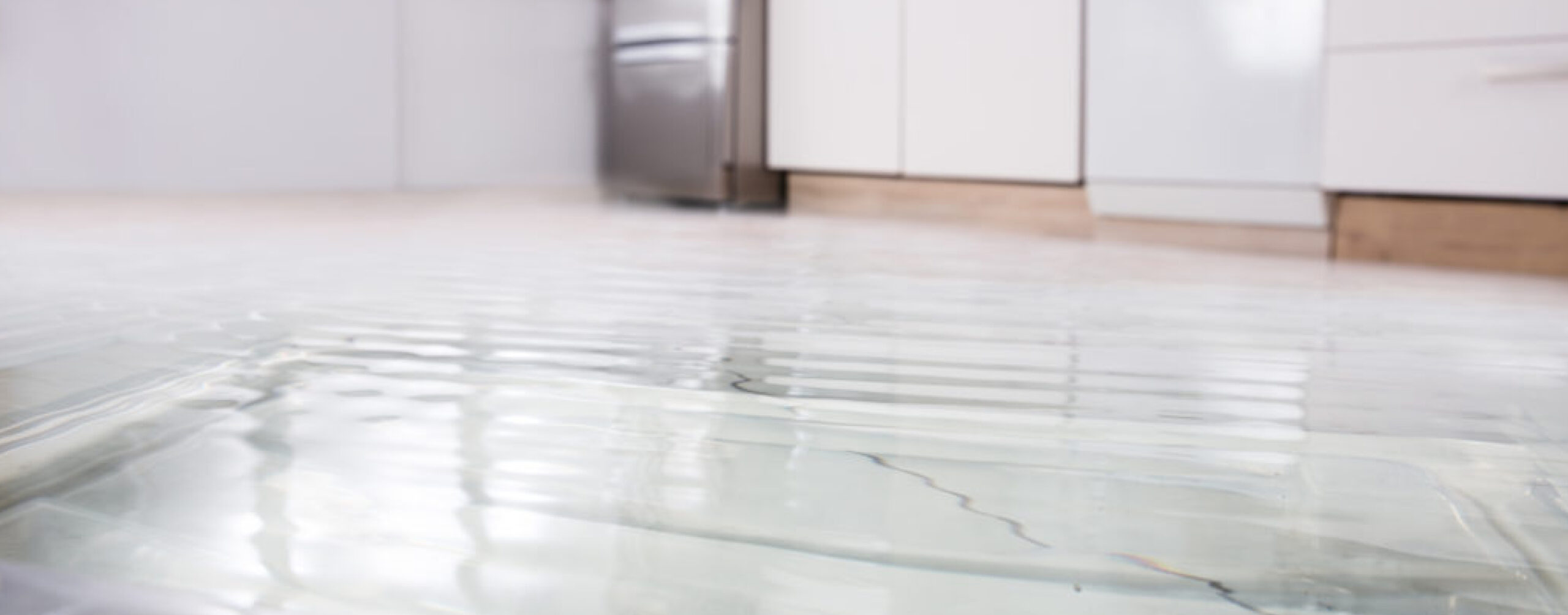
When you discover water in your home, you should call for professional help right away. Water damage is considered an emergency, which is why most water damage restoration companies offer 24/7 services. However, it may take a couple hours for help to arrive, depending on your restoration company’s response time.

Until the pros get there, you may want to start drying out the space yourself. Let’s talk about some techniques to help you get the drying process started.

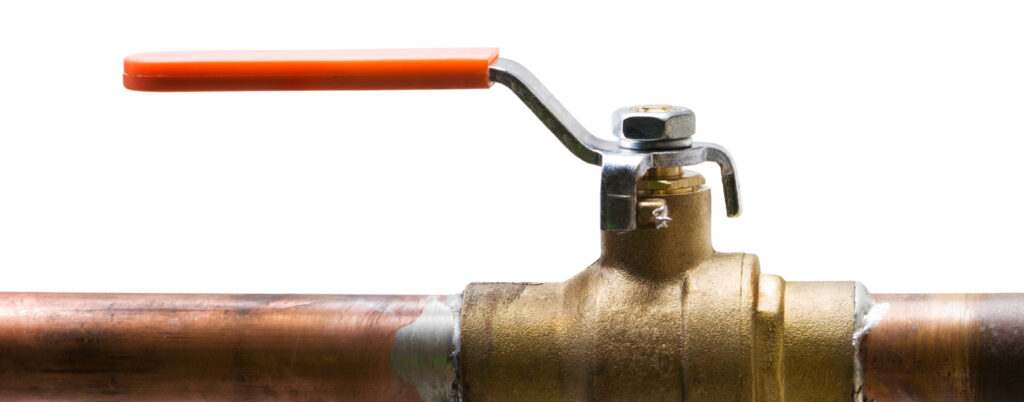
Turn Off Main Water Valve

First thing’s first, if you have an active water leak, shut off your main water valve. If you’re not sure where to find this, it’s usually located in your basement nearest to the exterior wall that faces the street. Don’t have a basement? It may be near your hot water heater or in your garage.

Once you’ve found the valve, turn it clockwise to shut your home’s water off.

You may or may not know where the water leak is coming from. If you can’t, that’s okay as long as the water is turned off.
turn off main water valve

Use a Shop Vac

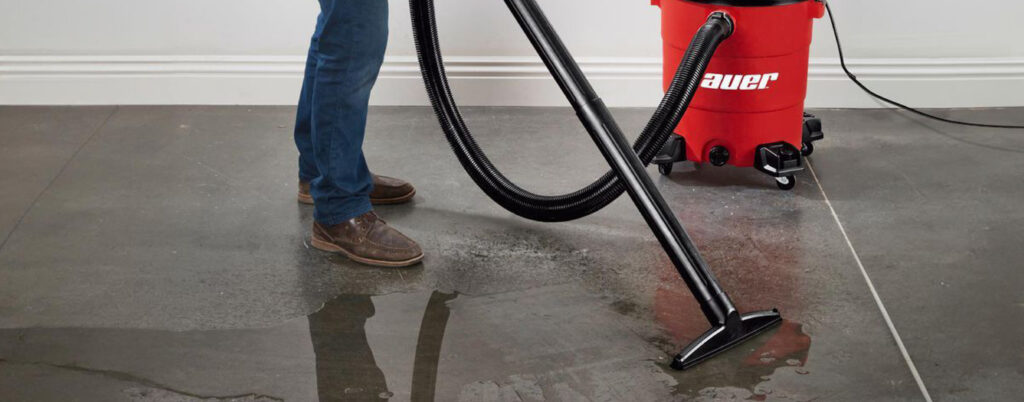
To start removing standing water from your home, you can use a shop vac to suck it up. Shop vacs are also known as wet/dry vacuums and are safe to use on water.

However, you should only plug shop vacs into GCFI (ground fault circuit interrupter) outlets. These are the outlets with ‘test’ and ‘reset’ buttons that you’d find in a bathroom, kitchen, laundry room, or garage. They are designed to protect you from electrocution or burns if electrical equipment comes in contact with water.
start drying out water damage with a shop vac

Set Up Fans

You’ll want to find every fan you have and perhaps borrow some from a neighbor, friend, or family member as well. Set up every fan that you can in the spaces that have moisture. However, it is not recommended to plug fans into power strips or extension cords, as they can’t supply the power a fan needs. This can lead to malfunctioning or overheating.

You can also turn on your ceiling fan if you have one in the space that is wet.
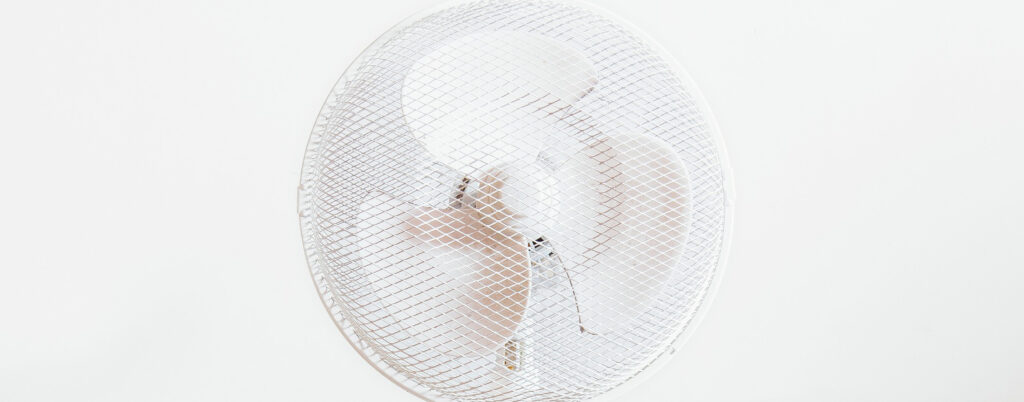
start drying out water damage with fans

Open Windows

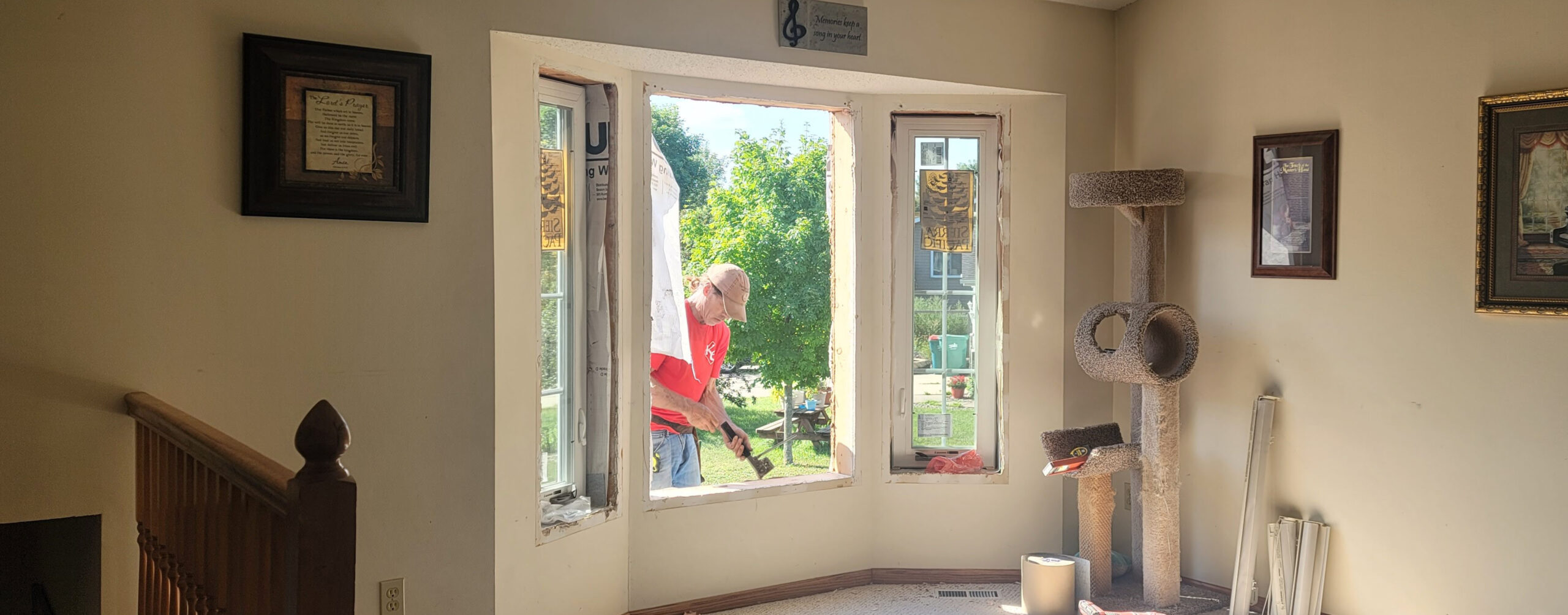
Open up as many windows as you can to help get air moving throughout your house. Mold grows and thrives in humid environments, so getting a good air flow will help alleviate the humidity in the air.
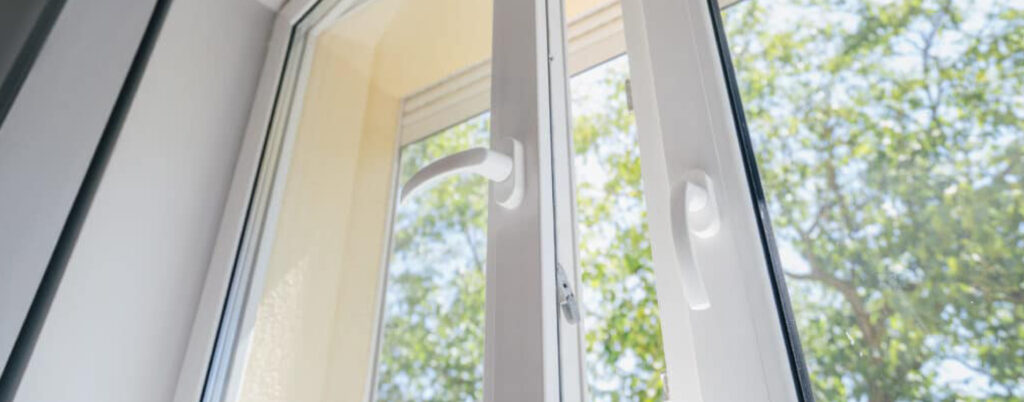
start drying out water damage by opening windows

Lay Out Bath Towels

You can also use bath towels to help soak up any remaining moisture. You may want to borrow extra towels from neighbors, friends, or family if you don’t have enough to cover the area that is wet. Make sure any towels you use get a good wash after you’re done.

start drying out water damage with towels

Why is the Drying Process So Important?

Water damage is nothing to mess around with. If you discover significant moisture inside your home, it’s absolutely crucial that you get it dry as soon as possible to prevent further damage. Again, water damage inside your home is considered an emergency and it requires an immediate response.

Risks of Not Fully Drying Out the Space

Not fully drying out the moisture inside your home can lead to major issues that leave your home uninhabitable, such as mold, bacteria, wood rot, structural deterioration, bug infestation, and electrical damage. You can read more about each of these here.

To help prevent these issues, you can get the drying process started as soon as you discover moisture in your home. However, keep in mind that the techniques mentioned above may not be enough to effectively remove all the moisture in your home. Be sure to call for professional help as soon as possible.

Click the subscribe button below to be the first to see our new blog posts! One to two times a month, you’ll receive tips and tricks for home maintenance and disaster prevention.

When to Call for Emergency Restoration Services

What Damage Qualifies as an Emergency

Kiser Construction offers 24/7 emergency restoration services, but what counts as an emergency? Let’s talk about some different scenarios in which you should call our emergency line.

  • Your property has suffered a fire, no matter how big or small
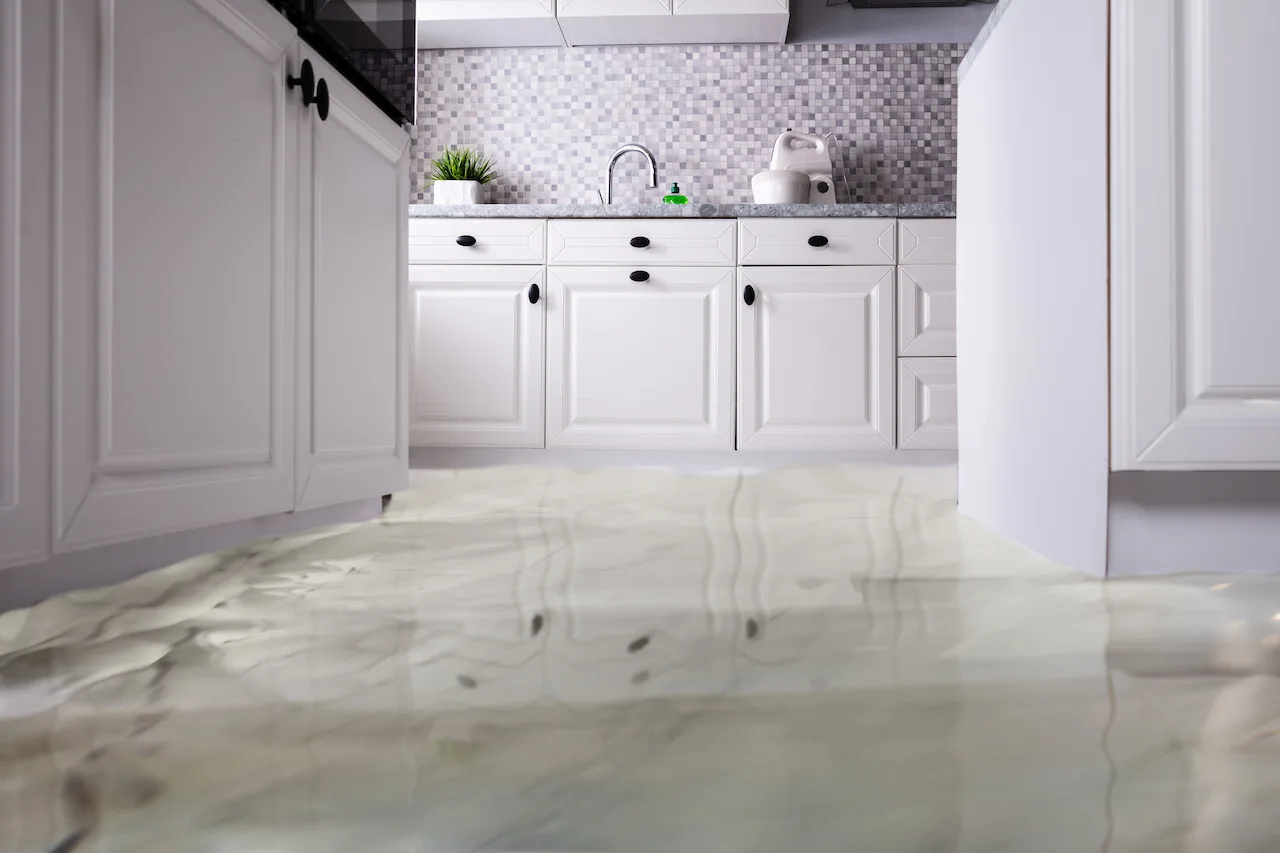
  • Your basement or another part of your home has flooded
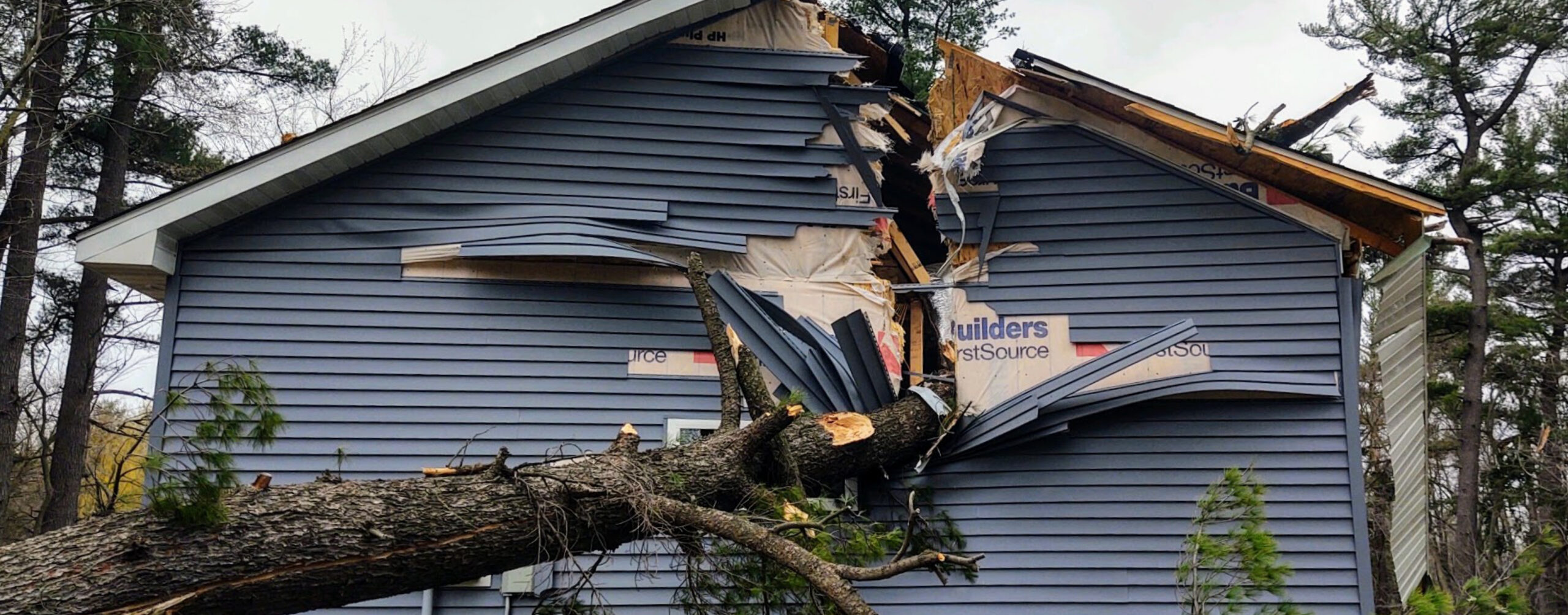
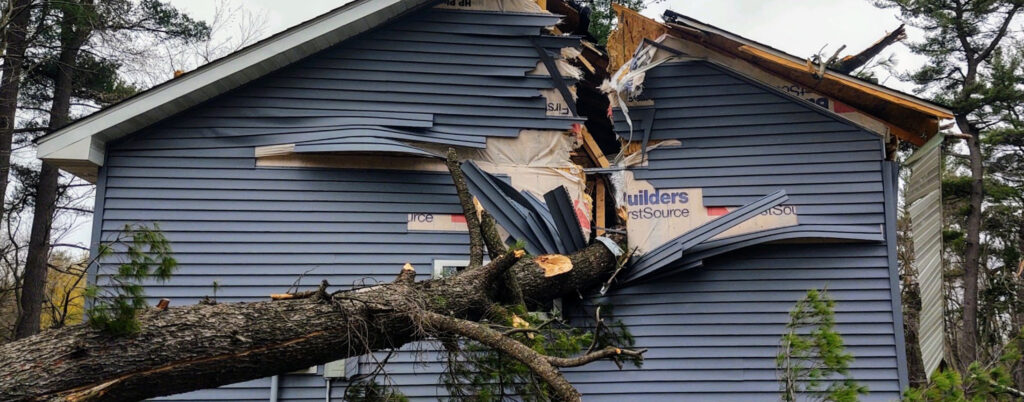
  • A tree has fallen on/through your house
  • A tornado has torn off your roof or left behind other severe damage
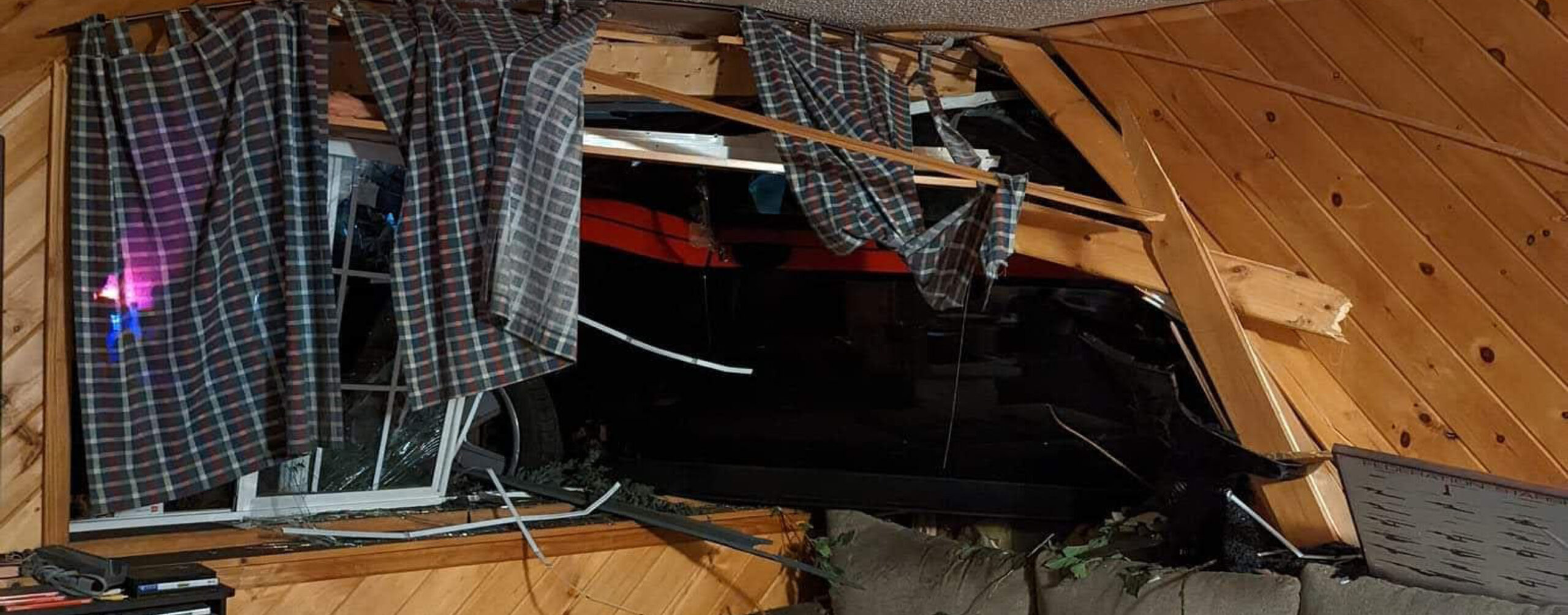
  • A vehicle has crashed into your home
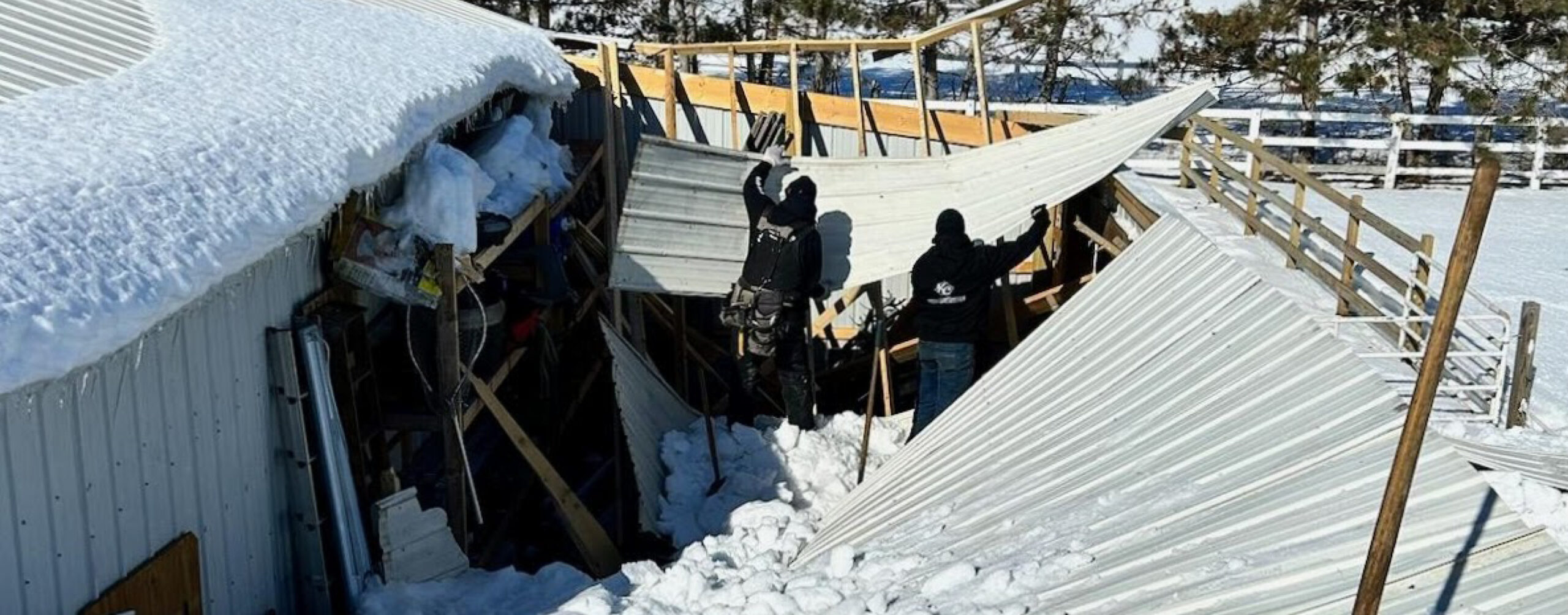
  • Heavy snow has caused your roof to collapse
  • Your property needs to be boarded up after being broken into and damaged

Call Kiser Construction day or night if you find yourself in any of these emergency situations. When you call us, you’ll speak with a Kiser employee, not an automated answering service.

We keep crew members on-call 24/7 to respond to emergencies immediately, assess the damage, and secure your property.

Kiser Construction Emergency Line: 612-518-8852

What Damage Does Not Qualify as an Emergency

Any type of damage to your property should be addressed as quickly as possible, but some situations do not require an immediate response, such as…

  • You have hail damage
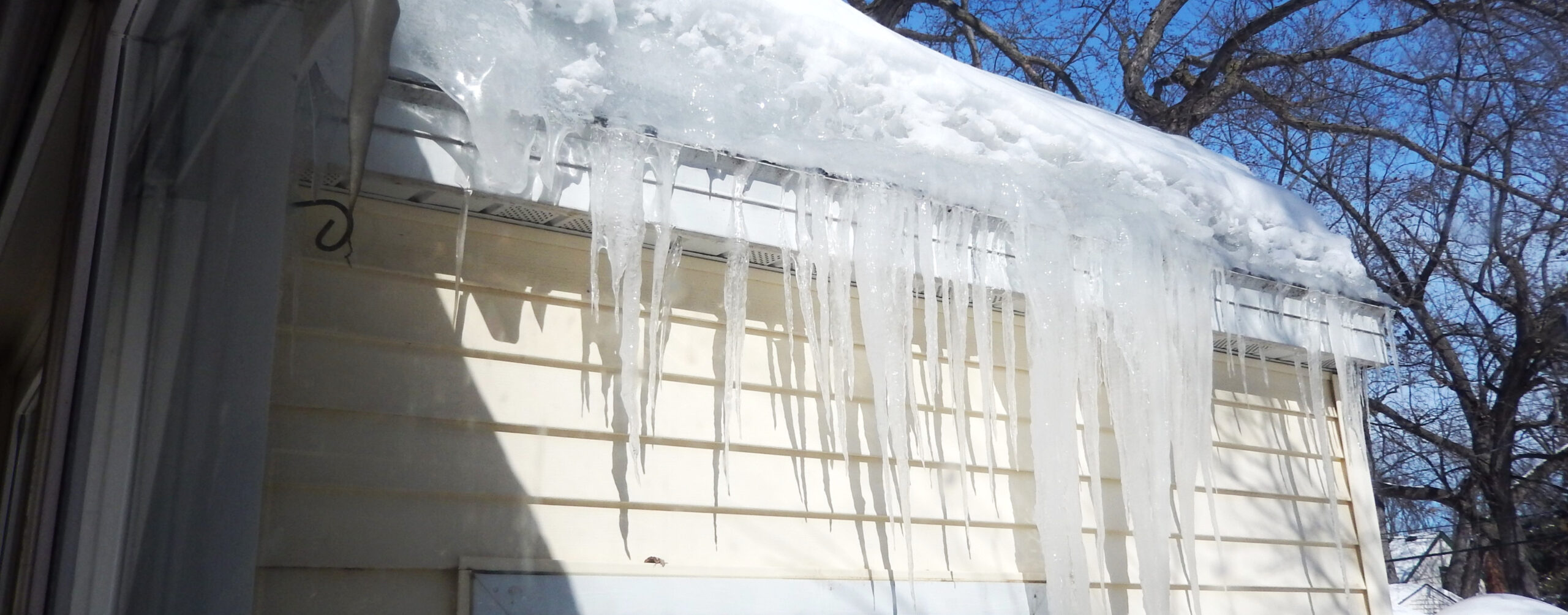
  • You have ice dams and would like them to be professionally removed
  • You discover mold in your home
  • You believe parts of your home, such as windows or gutters, need repairs or replacing

Call the Kiser Construction office if you have any of these concerns at your property. We’ll set up an appointment for one of our team members to meet with you and assess the damage as soon as possible.

Kiser Construction Main Office: 763-633-2010

Your Ultimate Guide to Disaster Preparedness

September is National Preparedness Month. There are all kinds of things we should be prepared for, from fires to flooding to long-term power outages. Here at Kiser Construction, part of our mission is to provide tips that help you prepare for and prevent such household disasters.

Below, you’ll find links to all of our preparedness and prevention guides for emergencies you may face in your home.

Fire Preparedness and Prevention

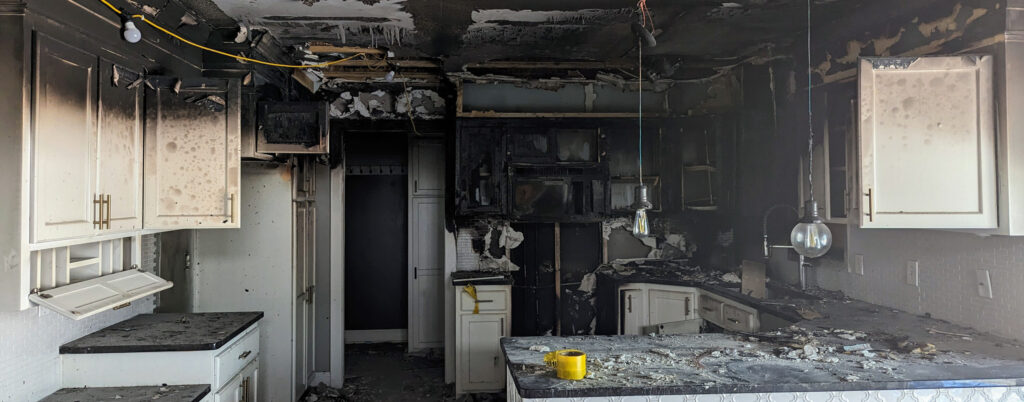
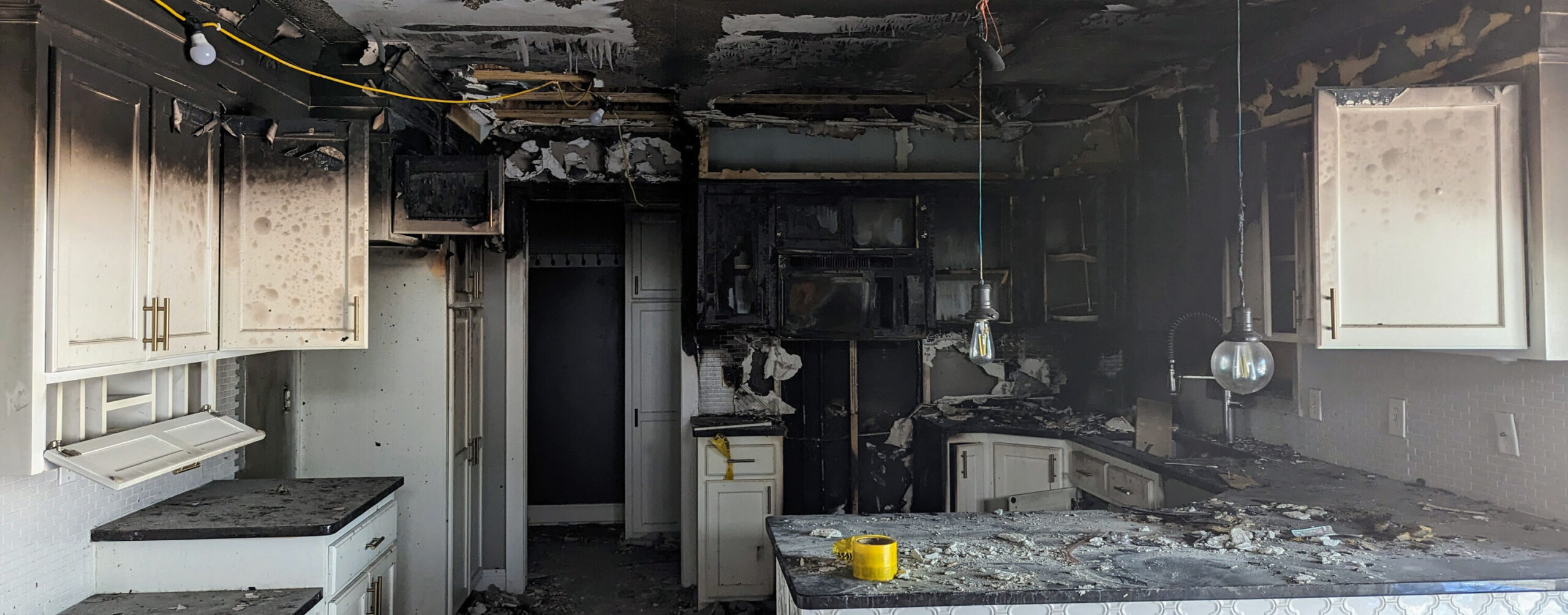
fire damaged kitchen restoration

These are our top ten tips for fire safety and prevention.

These are some of the top summer fire hazards and how to stay safe from them.

Fire risks increase around the holidays due to several factors. Here’s how to prevent disaster from striking during the most wonderful time of the year.

The longer a Christmas tree stays up in your home, the more of a fire hazard it becomes. Here’s how you can safely dispose of it after the holidays.

It’s crucial to keep your important documents and irreplaceable valuables in a fireproof safe in case of a fire or severe flooding.

Keep your four-legged family members safe with these pet fire safety tips.

If you suffer a fire at your property, it’s important to know the first steps you should take to begin on the road to recovery.

Water Damage Preparedness and Prevention

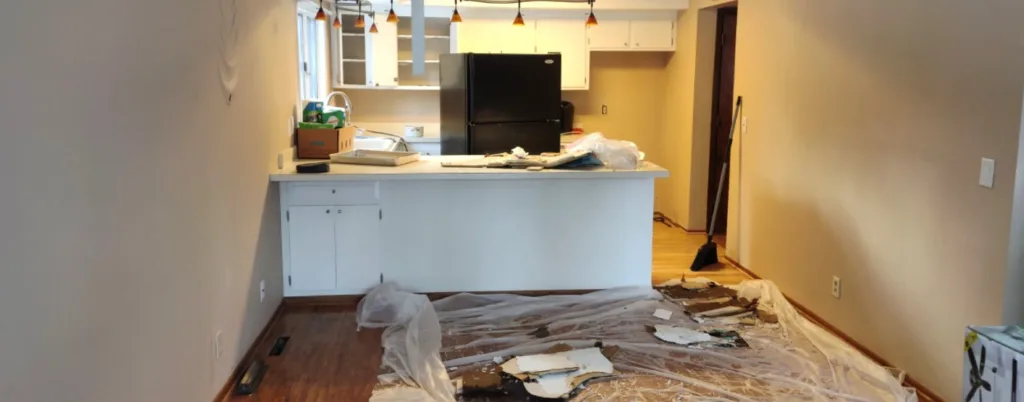
messy kitchen after water damage

When we get stuck in frigid cold snaps, the risk of pipes freezing and bursting becomes an issue. Here’s how you can help prevent burst pipes.

As snow melts and water levels rise in the spring, flooding can become a major problem. Here is how you can prepare for it.

Faulty gutters can lead to foundation issues and basement flooding. Here are 10 signs that your gutters are not properly doing their job.

Do you know what steps to take in the event of water damage? If not, we can walk you through the process.

Water damage requires immediate attention in order to prevent further damage and mold growth.

Storm Preparedness

storm damage restoration

Living in Minnesota means occasionally dealing with severe storms. Here’s how you should prepare for hail, high winds, heavy rain, and tornadoes.

If you discover damage after a storm, whether it’s major or minor, it’s important to know what you should do next.

General Preparedness and Prevention

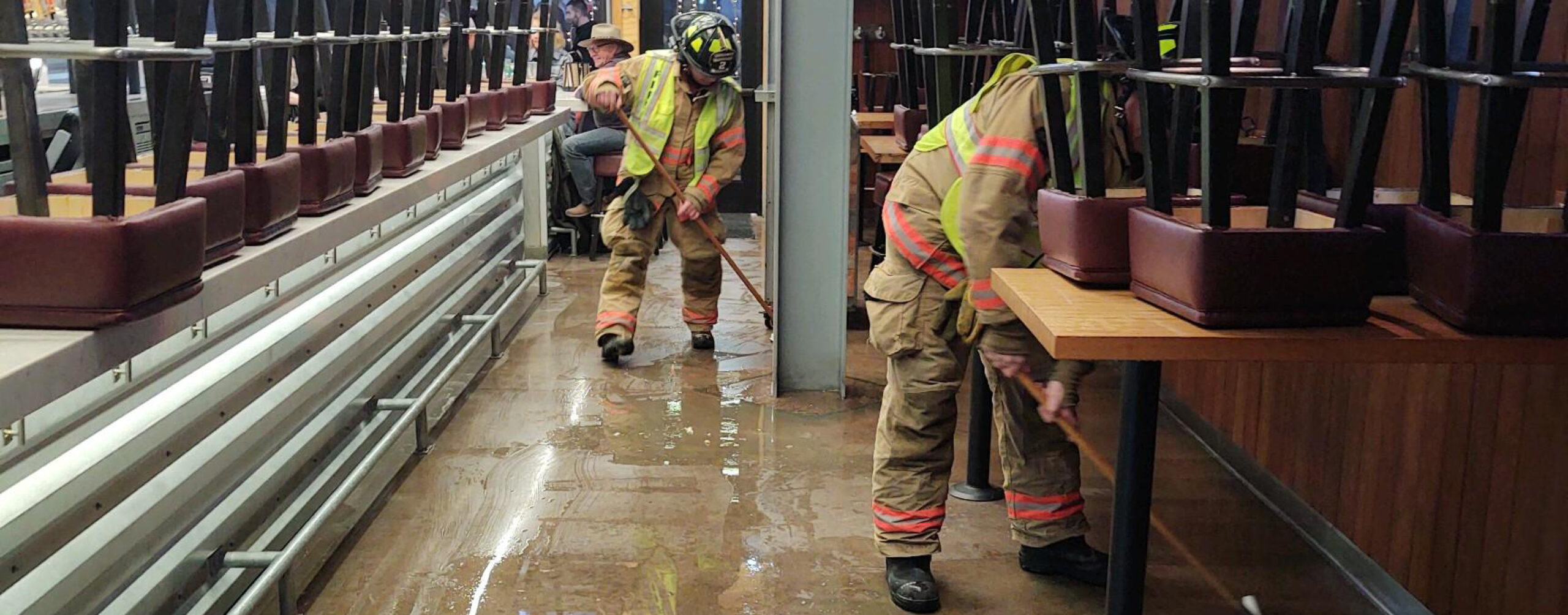
Kiser Construction responding to water damage at Short or Tall Eatery and Drink Hall

It’s important to ensure your property is fully insured in case disaster strikes. Otherwise, you could be paying big out-of-pocket expenses to repair your property.

Getting your home ready for the colder months is important, but most important on this list is having your fireplace professionally cleaned and inspected to prevent a chimney fire.

You should also do some upkeep around your home in the spring, including inspecting your roof for any damage sustained over the winter.

Keep Your Family Safe

Preparing yourself and your family for disaster means arming yourselves with the knowledge of knowing what to do in any emergency and making a plan. Before National Preparedness Month ends, take some time to ensure your family’s preparedness for anything that may come your way.

Click the subscribe button below to be the first to see our new blog posts! One to two times a month, you’ll receive tips and tricks for home maintenance and disaster prevention.
Why You Need To Act Fast After Water Damage

First Steps

So, you have water damage due to a burst pipe, sump pump failure, or other issue. What should you do? Your first step is to call a water mitigation company who can be on the scene quickly, day or night. Then, call your insurance company to report the damage and file a claim.

When you have water in your home or business, it’s critical to call for help right away to prevent further damage. If you don’t, you might face some of the following issues.

Mold

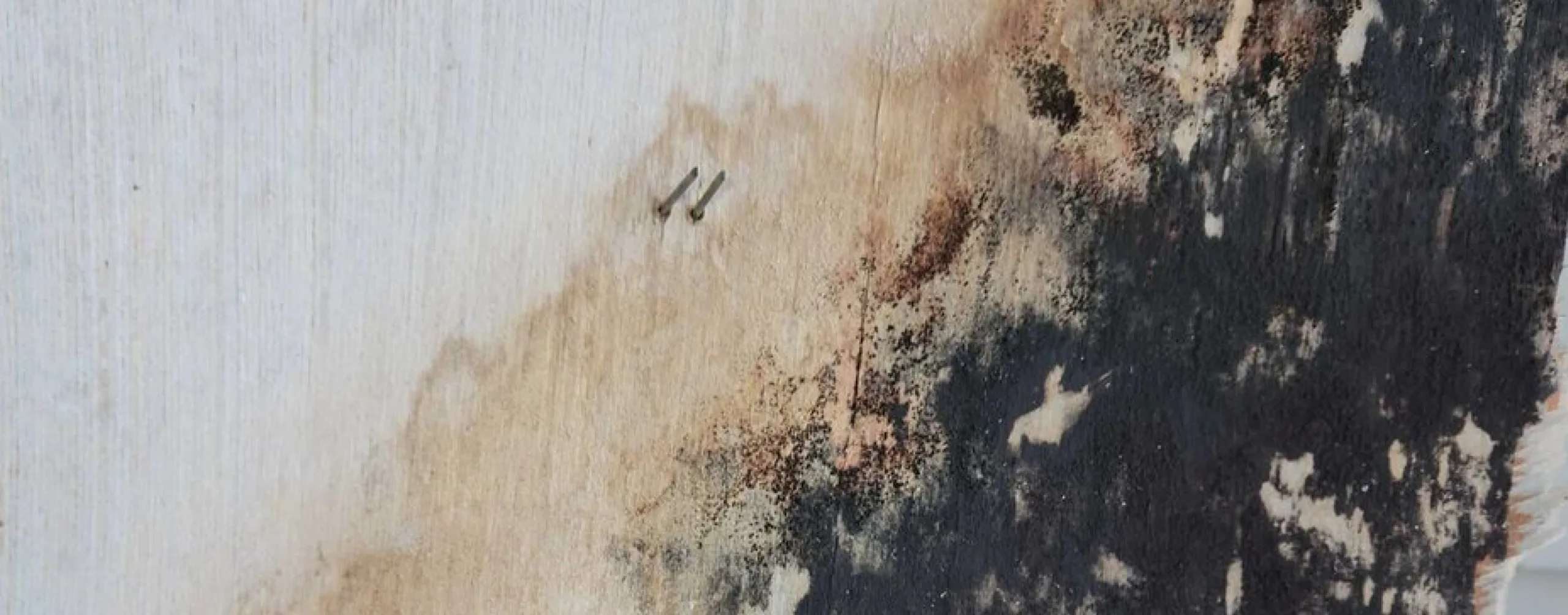
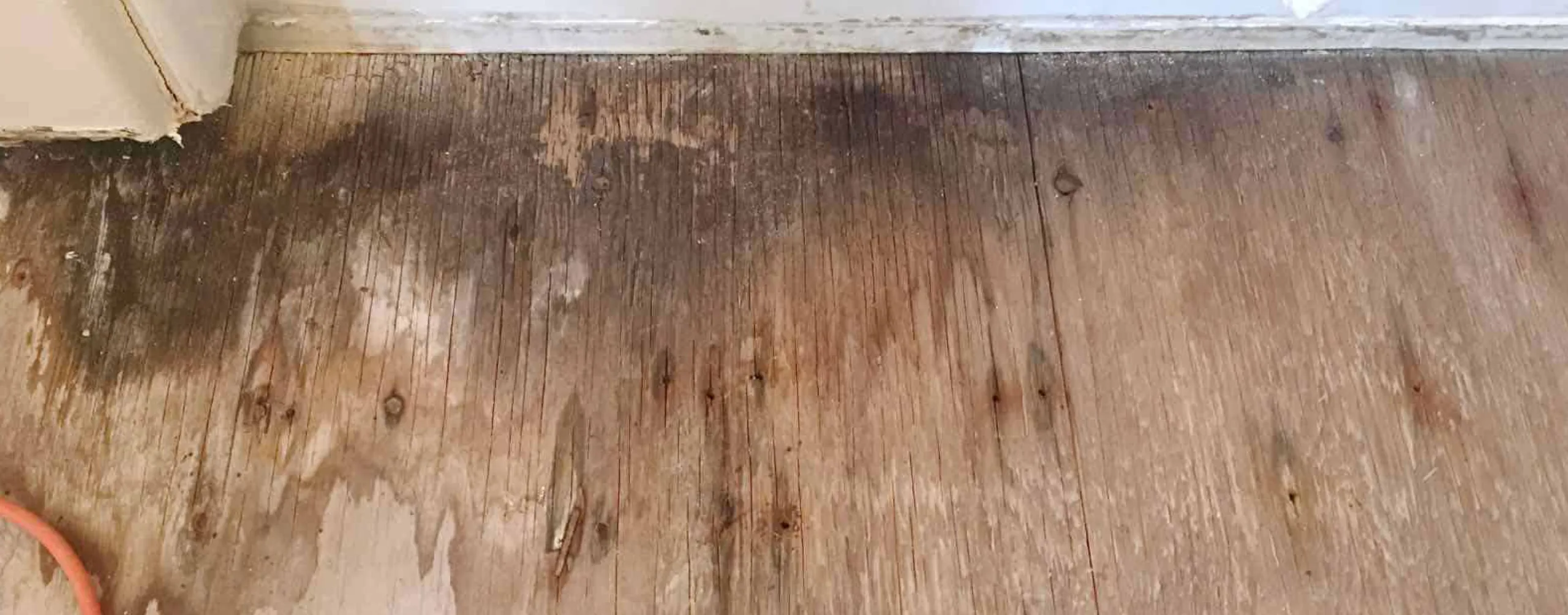
Mold can begin growing as soon as 24-48 hours after water damage occurs. Exposure to excess moisture allows mold to grow and spread without treatment can lead to health issues for you and your family.

Exposure to mold can cause respiratory issues, skin and eye irritation, nausea, headaches, and more. The longer you are exposed to mold, the more severe the health complications become. Prolonged mold exposure may lead to chronic bronchitis, brain damage, lung bleeding, nervous system disorders, and more.

Preventing mold growth as much as possible starts with acting fast after a water loss.

mold in subfloor

Bacteria

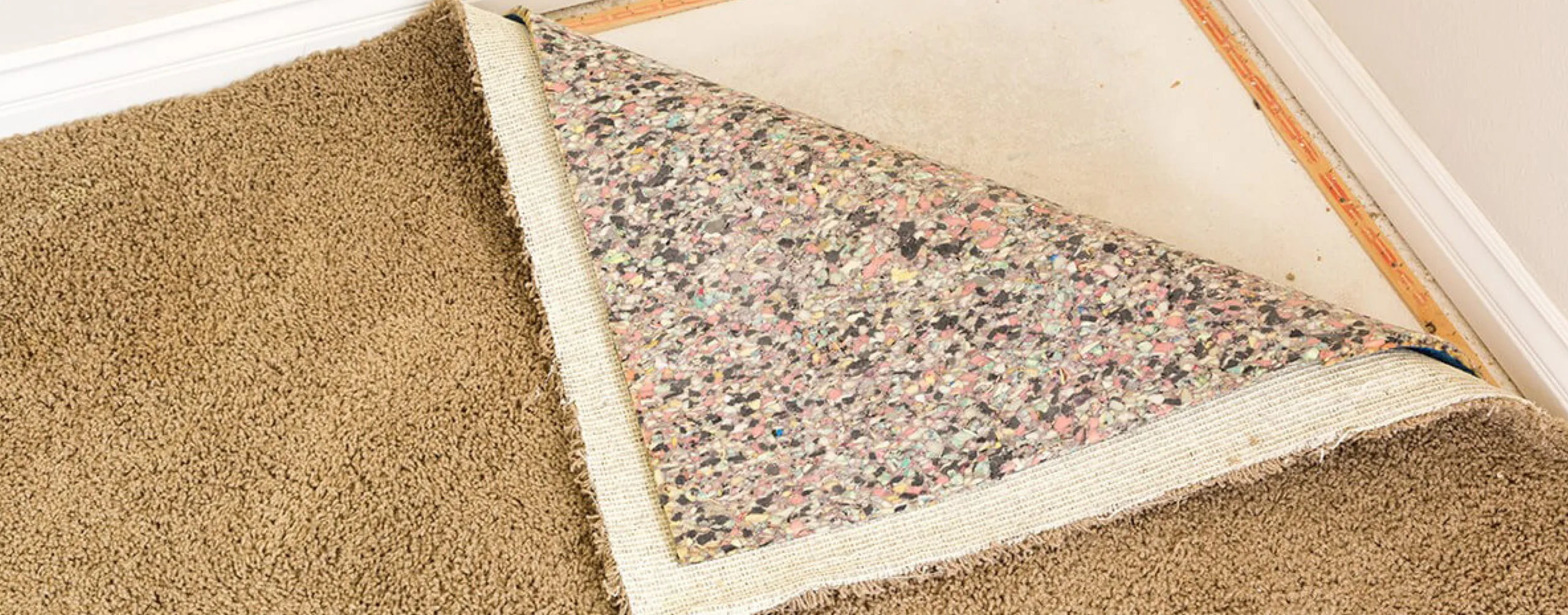
The longer water sits, the more bacteria is able breed and sink into the fabrics of your carpet, furniture, or clothing, creating an odor that will only worsen. This will make it more difficult to effectively clean your belongings, and they may have to be thrown out.

wet carpet

Wood Rot

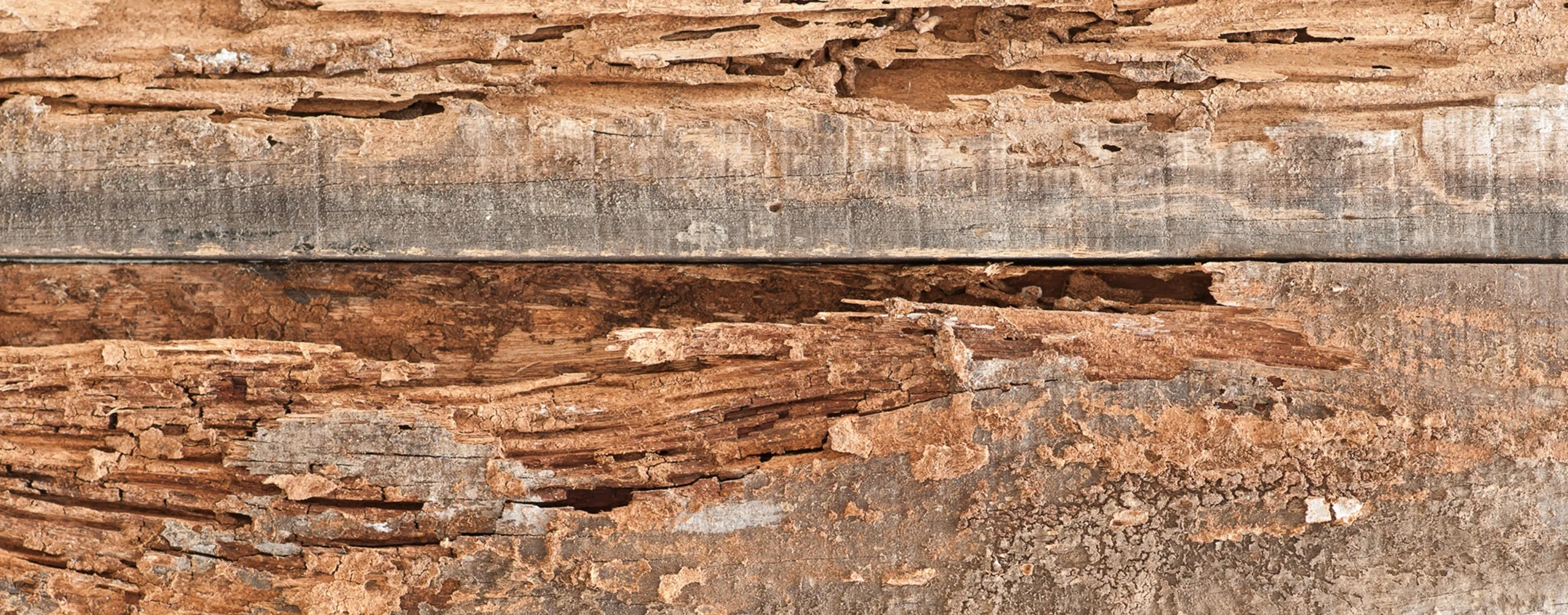
When wood is exposed to water for more than 24 hours, it can begin to rot. This means your cabinets, hardwood floors, and furniture may need to be replaced if moisture is not quickly addressed. Untreated moisture within the wood can also lead to mold, fungi, and even termites.

Removing standing water is only the first step. You will need professional equipment, such as dehumidifiers and air movers, to remove all moisture from the wood and promote air circulation in your home.

water damaged subfloor

Structural Damage

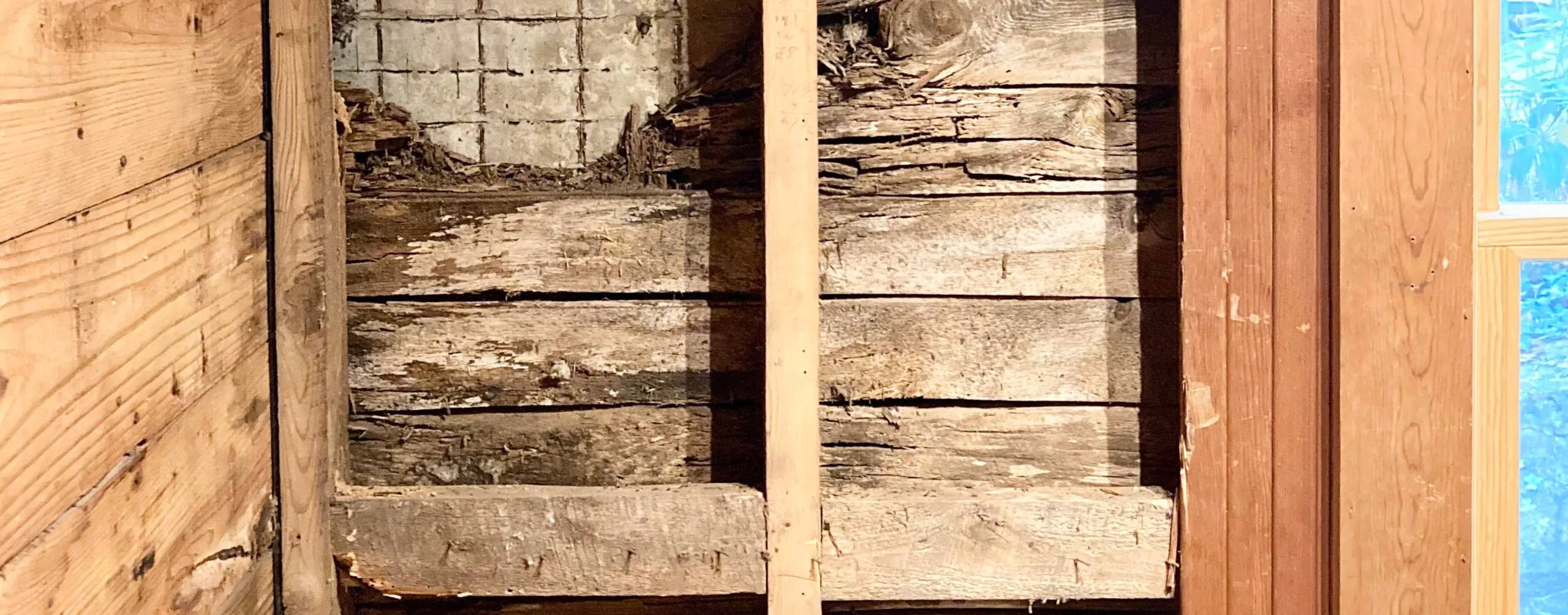
Wood is one of the primary materials used to build our homes, so if moisture is present where you can’t see it, like in the framing behind your walls or in the subflooring underneath your floor, the structural integrity of your home is at risk.

water damage behind walls

Infestation

Untreated water damage makes your home more attractive to pests like cockroaches, silverfish, beetles, and more. Why? These bugs love damp environments. Ward them off by getting any water damage taken care of immediately.

termites after water damage

Electrical Damage

Sometimes water damage is followed up by fire damage. This is because your home’s electricity may be exposed to the water leak, which can damage the circuits and lead to the start of a fire. Even if the water loss doesn’t touch any electricity, untreated water damage can seep through your walls and flooring toward an area where there are electrical components and cause damage.

electrical water damage

The Bottom Line

After water damage strikes, you and your family’s safety should be your top priority. To ensure the full restoration and safety of your home, don’t try to remedy the situation yourself. Call a professional restoration company who can be on the scene 24/7 to help.

Click the subscribe button below to be the first to see our new blog posts! One to two times a month, you’ll receive tips and tricks for home maintenance and disaster prevention.